admin
admin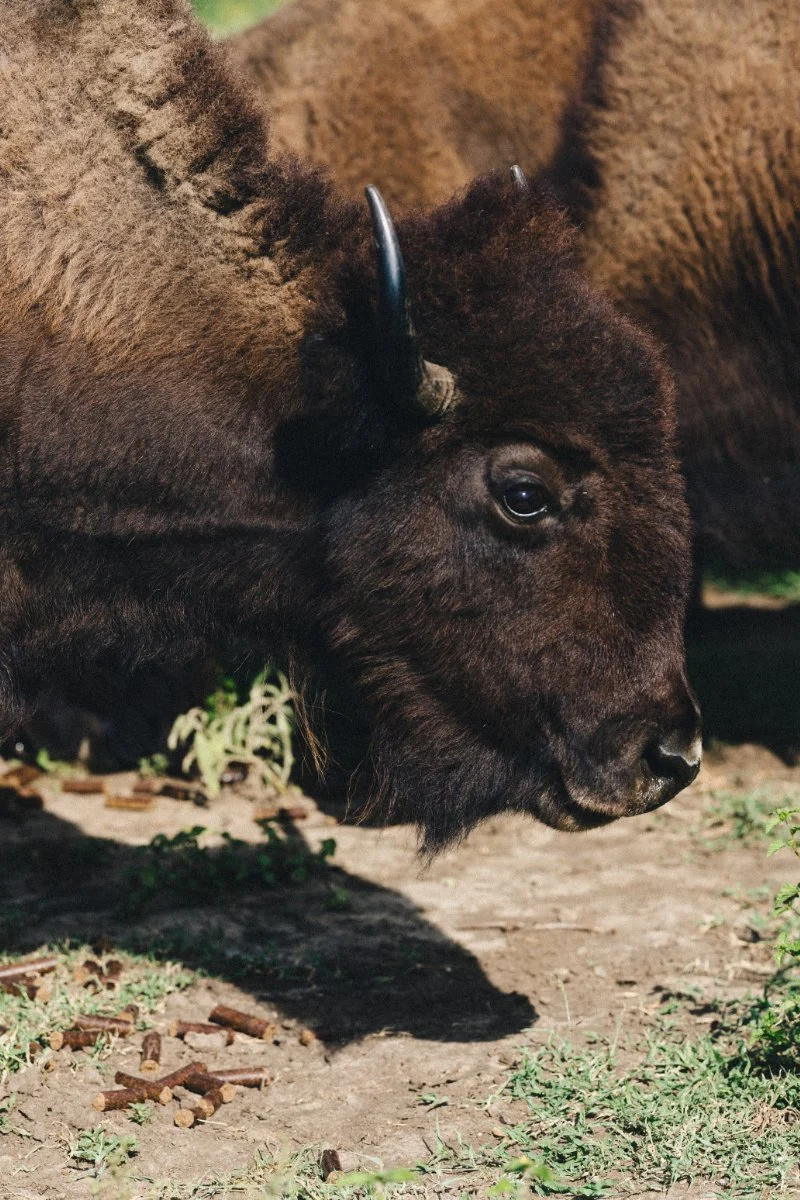
Lucille Contreras, founder of the Texas Tribal Buffalo Project, embarked on a profound journey of cultural discovery and community empowerment, transforming a deeply personal revelation into a beacon of Indigenous resilience and food sovereignty. Her work is rooted in the rematriation of land, culture, and kinship, particularly for the Lipan Apache people and other Texas Indigenous lineal descendants, through the reintroduction of the Southern Plains Bison.
Contreras’s path to advocacy began unexpectedly during her studies at the University of Colorado Boulder. At the age of 20, she found herself frequently asked about her tribal affiliation, a question that had never before crossed her mind. When she posed it to her father, his response unveiled a long-held family secret: "My mother said we’re Apache." The revelation was accompanied by an explanation that her grandmother had instructed her father never to disclose their heritage, a directive born from generations of fear and persecution. This deeply personal experience highlights the enduring impact of historical trauma and the systemic pressures that forced many Indigenous families to conceal their identities for survival.
A Legacy of Silence: The Impact of Historical Persecution

Contreras’s grandmother, born around 1890 in northern Mexico, lived during a tumultuous era for Indigenous peoples across North America, particularly for Apache communities. The period following the Treaty of Guadalupe Hidalgo in 1848, which concluded the Mexican-American War and significantly altered the geopolitical landscape of the Southwest, ushered in an intensified era of violence, land dispossession, and cultural suppression against Native populations. For Apache people, who were often fiercely resistant to colonial expansion, this meant enduring relentless military campaigns, forced removals, and a pervasive societal hostility that effectively placed "a target on their back." This hostile environment compelled many, like Contreras’s grandmother, to internalize a need for secrecy, safeguarding their families by obscuring their Indigenous roots to avoid discrimination, violence, and forced assimilation. The silence within Contreras’s family was not an act of disinterest but a testament to a deeply ingrained survival mechanism passed down through generations.
The Call of the Buffalo: A Connection Reawakened
Contreras’s first encounter with bison, often referred to as buffalo, occurred at Yellowstone National Park when she was 26. Witnessing the majestic herds in their natural habitat ignited a nascent connection, a stirring of an ancestral memory she hadn’t yet fully understood. This initial awe deepened significantly during the COVID-19 pandemic. While living in Pine Ridge, South Dakota, home to the Oglala Lakota Nation, Contreras immersed herself in the profound cultural and practical knowledge surrounding bison. She learned about traditional butchering and slaughtering methods, the intricate ecological needs of the animals, and their holistic importance to Indigenous communities.
The Oglala Lakota, who maintain a vibrant intergenerational relationship with bison, taught Contreras about the sacred connection between "two-legged people" and these revered relatives. Historically, tribes across the Great Plains and beyond relied on bison for virtually every aspect of survival: food, shelter, tools, clothing, and even as a model for governance and community structure. This immersive experience was "magical" for Contreras, illuminating the profound spiritual, cultural, and practical bonds that Indigenous peoples shared with the bison.

Establishing the Texas Tribal Buffalo Project: A Vision Takes Root
Armed with this newfound knowledge and a deepened understanding of her Lipan Apache heritage, Contreras returned to her ancestral homeland in Texas in late 2019 and early 2020. Her journey was guided by a potent blend of learned wisdom and an unwavering personal drive instilled by her mother’s mantra: "Nobody is going to do anything for you. You want something to happen, you better make it happen yourself." This ethos, combined with her experiences of hard work and resilience, formed the bedrock of the Texas Tribal Buffalo Project.
On March 23, 2020, the project secured its first property in Wilder, Texas—77 to 78 acres of post-oak savanna. By the end of that year, Contreras had successfully brought nine bison to the land, initiating the rematriation process. Today, the project has flourished, overseeing a herd of 34 bison across two ranches. This rapid growth underscores the dedication and strategic vision driving the initiative, which aims to restore a vital cultural and ecological keystone species to the Texas landscape while simultaneously revitalizing Lipan Apache traditions.
Cultural and Ecological Rematriation

The Texas Tribal Buffalo Project is more than a ranch; it is a profound act of cultural and ecological rematriation. For the Lipan Apache, the relationship with bison, though historically suppressed, is deeply resonant with that of the Lakota and other Plains tribes. The project seeks to uncover and restore these hidden connections, acknowledging the buffalo’s role not just as a resource but as a relative integral to the spiritual and physical well-being of the community.
Bison, once numbering in the tens of millions, were driven to near extinction in the 19th century as part of a deliberate strategy to subdue Native American populations by destroying their primary food source and cultural anchor. Their reintroduction to ancestral lands represents a critical step in healing historical wounds, restoring biodiversity, and strengthening Indigenous self-determination. The grazing patterns of bison are also vital for ecosystem health, promoting native plant growth, enriching soil, and supporting a diverse array of wildlife, contributing to the overall ecological resilience of the post-oak savanna.
Addressing Food Insecurity: The "Meat for Mama’s" Initiative
Lucille Contreras’s personal experiences with food insecurity are a driving force behind another critical component of her work: "Meat for Mama’s." As a single mother raising three children in Boulder, Colorado, she often struggled to provide enough food, even with an "awesome job." She vividly recalls waking before dawn to make burritos to sell at construction sites, hustling to supplement her income and ensure her children had meals. She also relied on food banks, understanding firsthand the effort required to navigate and maintain access to such systems. This lived experience fuels her passion for ensuring other families do not face similar struggles.

"Meat for Mama’s" is Contreras’s direct response to this systemic issue. The Texas Tribal Buffalo Project operates an online store that uniquely accepts EBT (Electronic Benefit Transfer), commonly known as SNAP (Supplemental Nutrition Assistance Program) benefits. This innovative approach ensures that high-quality, nutritious bison meat is accessible to individuals and families across Turtle Island (a common Indigenous term for North America), regardless of their economic status. The project has already shipped EBT/SNAP orders as far as Massachusetts, demonstrating the widespread need and the efficacy of their inclusive model. Furthermore, the initiative actively donates bison meat to food banks across Texas, directly addressing hunger within the state.
This initiative is a powerful statement against food injustice, particularly given the disproportionately high rates of food insecurity in Indigenous communities and among single-parent households. According to Feeding America, 1 in 4 Native Americans experiences food insecurity, a rate significantly higher than the national average. By providing access to nutrient-dense bison meat, "Meat for Mama’s" aims to foster "mental, physical, and spiritual health and wellbeing" for future generations, recognizing that true wealth lies in the health and sustainability of a community.
Broader Impact and Future Vision
The Texas Tribal Buffalo Project and "Meat for Mama’s" exemplify a holistic approach to community development, intertwining cultural reclamation, ecological restoration, and social justice. Contreras’s work has garnered attention as a model for Indigenous-led initiatives seeking to re-establish traditional food systems and empower communities. Her project stands as a testament to the power of Indigenous knowledge and resilience in addressing contemporary challenges.

The long-term vision for "Meat for Mama’s" is to expand its reach, enabling more Indigenous women, both within Texas and beyond, to benefit from access to nutritious food. This expansion would not only support individual families but also strengthen the broader movement for Indigenous food sovereignty, fostering self-sufficiency and health across diverse Native nations. By building a sustainable economic model around bison rematriation and equitable food distribution, Contreras is creating a lasting legacy that honors her ancestors, nourishes her community, and offers a powerful example of how to "give back to the universe."
Lucille Contreras, through the Texas Tribal Buffalo Project, is not just raising bison; she is raising awareness, fostering healing, and cultivating a future where Indigenous heritage is celebrated, food is abundant, and communities thrive in health and interconnectedness. Her journey from a personal discovery of a hidden past to leading a multifaceted initiative for a brighter future encapsulates the enduring spirit of Indigenous peoples to reclaim, restore, and revitalize.