admin
admin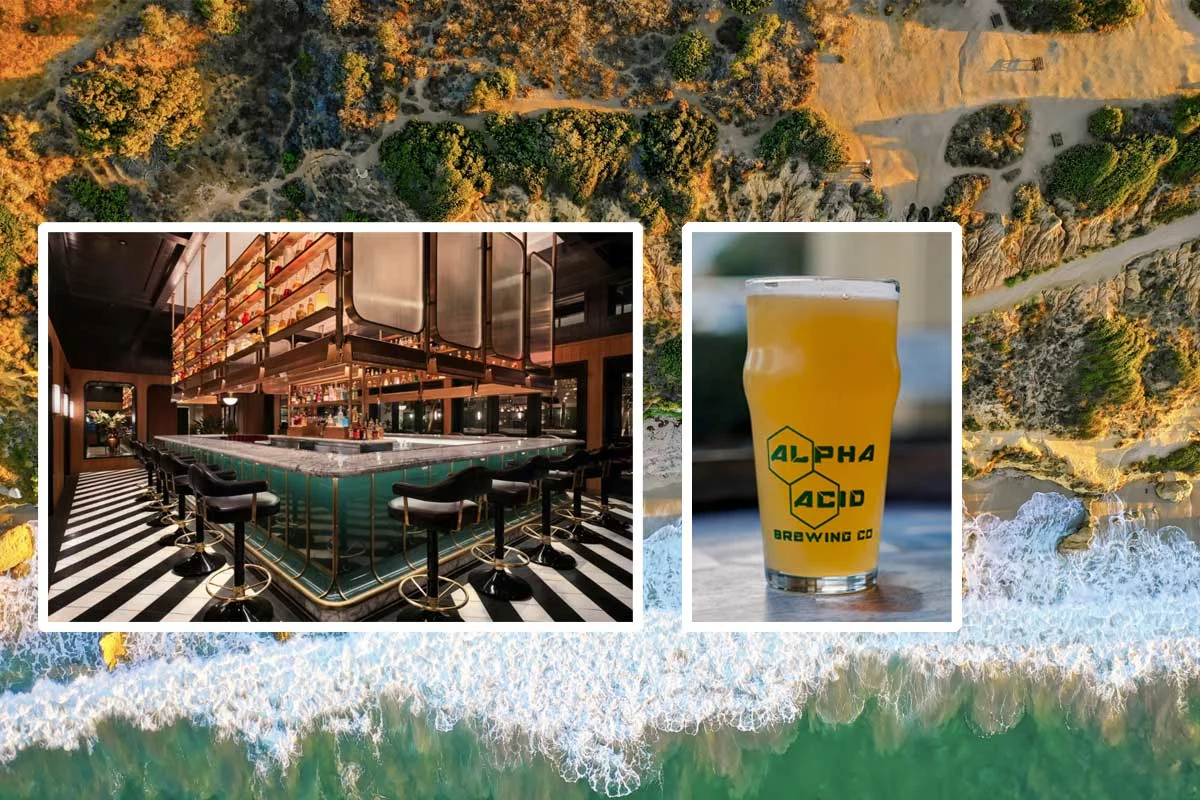
The geographical stretch of the San Francisco Peninsula, long characterized by its role as a transit corridor for Silicon Valley’s professional workforce, is undergoing a significant cultural and economic transformation as a concentrated craft beer trail takes root. While San Francisco and the East Bay have historically dominated the region’s brewing reputation, a 30-mile industrial and commercial belt along Highway 101—stretching from Burlingame to Redwood City—has emerged as a premier destination for artisanal fermentation. This development represents a strategic shift in the San Mateo County hospitality sector, where repurposed industrial spaces and transit-oriented developments are being utilized to support a diverse ecosystem of microbreweries and taprooms.
The rise of this "Peninsula Beer Trail" is not merely a localized trend but a reflection of broader shifts in the California craft beer industry, which contributes more than $9 billion annually to the state’s economy. In San Mateo County, the intersection of high-density commuting hubs, such as those served by Caltrain, and the availability of warehouse-style real estate has provided the necessary infrastructure for breweries to scale. From plant-based culinary complexes in Burlingame to traditional British cask ale houses in Redwood City, the corridor is now defined by a high degree of stylistic specialization that caters to both local residents and regional tourists.
The Evolution of the Peninsula Brewing Sector
The development of the Peninsula’s beer scene followed a distinct chronological trajectory, moving from a handful of isolated brewpubs to a dense, interconnected network. In the early 2010s, establishments like Freewheel Brewing Company and Alpha Acid Brewing Company began laying the groundwork by occupying spaces that were traditionally reserved for light manufacturing and logistics. This era marked the beginning of the "industrial taproom" model in the county, where the proximity to the Port of Redwood City and the various business centers provided a steady stream of patrons.
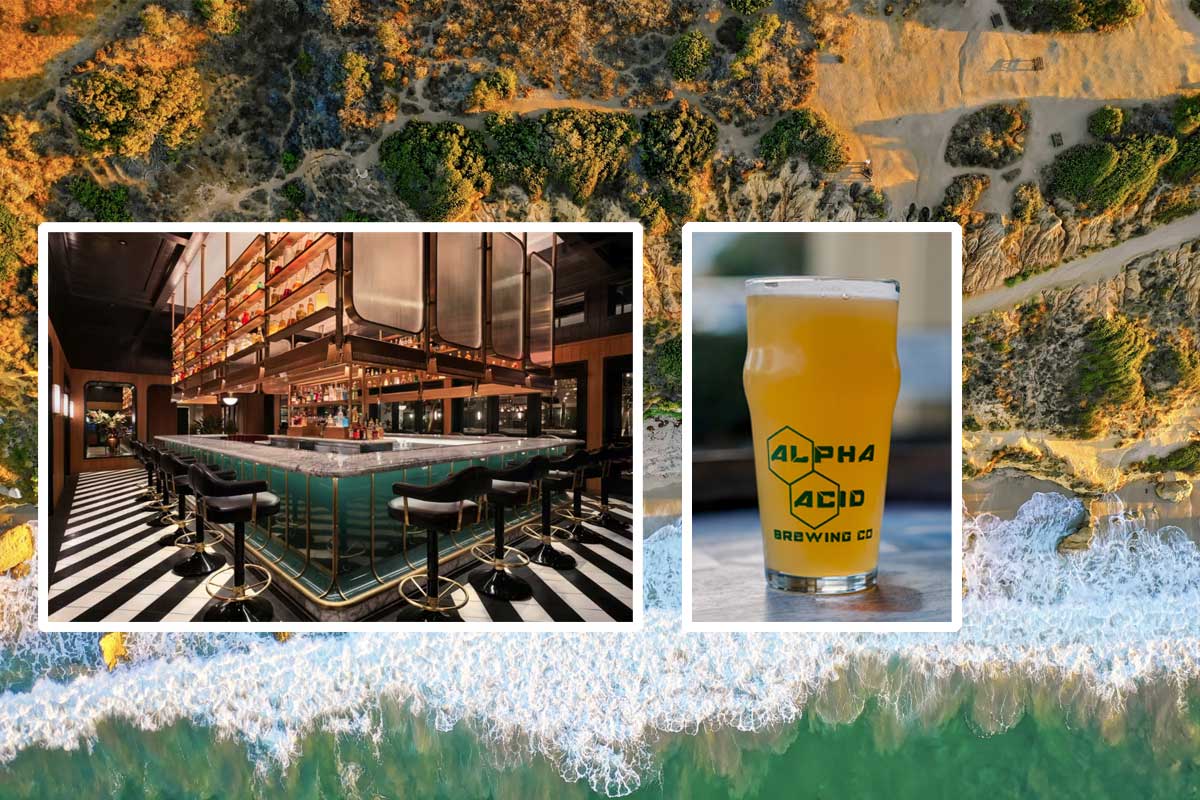
By 2020, the landscape began to diversify further. The entry of tech-sector veterans into the brewing industry brought a new level of capital and conceptual ambition to the region. This transition is perhaps best exemplified by Twelvemonth in Burlingame. Occupying a former brewery space, the complex was launched by Bob Trahan, a former technology executive who transitioned into the culinary arts. Twelvemonth functions as a multi-use plant-based restaurant and bakery, integrating a high-end dining experience with a sophisticated beverage program.
The taproom at Twelvemonth serves as a curated gateway for the region, featuring legendary Northern California staples such as Russian River Brewing’s Pliny the Elder alongside local lagers from East Brother Beer Co. and non-alcoholic options from Fort Point Beer Company. The success of such a large-scale, plant-based venture underscores the changing demographics of the Peninsula, where consumers increasingly demand sustainable and health-conscious alternatives without sacrificing the craft experience.
Technical Innovation and Stylistic Specialization in Belmont and San Carlos
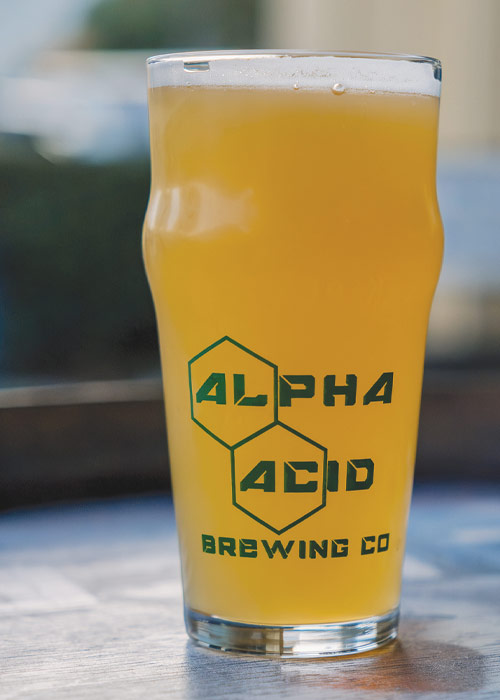
As the trail moves south into Belmont, the focus shifts from culinary integration to technical brewing prowess. Alpha Acid Brewing Company, located within the Harbor Business Center, has become a focal point for enthusiasts of experimental and high-gravity styles. Since its inception in 2014, Alpha Acid has utilized its industrial setting to host a rotating selection of food trucks, creating a de facto community hub.
The brewery’s portfolio reflects the modern evolution of American craft beer, ranging from their "La Chulita" Mexican Lager to complex New England-style IPAs like "May The Haze Be With You." Their technical range extends to barrel-aging programs, producing high-ABV stouts and barleywines that require significant cellar time and expertise. This level of production indicates a maturing market capable of supporting "destination" breweries that draw visitors from across the Bay Area for specific, limited-edition releases.
In neighboring San Carlos, Blue Oak Brewing Co. has carved out a niche by specializing in fruited sours and the application of advanced fermentation science. One of their most notable recent developments involves the use of "thiolized" yeast strains in their "Hello Motueka" Hazy IPA. This bio-engineered yeast is designed to unlock aromatic compounds in hops that are usually inaccessible during standard fermentation, resulting in intensified tropical fruit flavors. By combining these scientific advancements with a sprawling indoor-outdoor space, Blue Oak exemplifies the modern California taproom—a venue that is as much about education and sensory exploration as it is about social gathering.
Redwood City: The Southern Anchor of the Beer Trail
Redwood City serves as the southern terminus of this 30-mile stretch, boasting the highest concentration of craft beer establishments in the county. The city’s redevelopment efforts have fostered an environment where neighborhood-centric pubs can thrive alongside specialized import houses.
Ghostwood, a neighborhood brewpub in the heart of the city, represents the "social-first" model of brewing. While the establishment offers high-quality technical brews like their "Extra Crispy" American lager and "Serial Chiller" Cold IPA, the focus is heavily on the consumer experience. By integrating sports viewing, trivia nights, and gaming, Ghostwood has successfully positioned itself as a community "third space." The inclusion of a Cold IPA—a style fermented at lower temperatures to achieve a crisper finish than traditional ales—demonstrates their commitment to staying at the forefront of industry trends while maintaining a welcoming, accessible atmosphere.
Further south in the Marsh Manor Shopping Center, Freewheel Brewing Company offers a stark contrast to the hop-heavy trends of the modern American scene. Since 2012, Freewheel has specialized in English cask ales, a traditional method where beer is unpasteurized, unfiltered, and served via a hand pump. Their "Big V Amber" and various nitro-pour stouts have made the brewery a destination for expatriates and purists seeking the smooth, malty profiles of British brewing. The persistence of this traditional style in the heart of Silicon Valley highlights the diverse palate of the Peninsula’s consumer base.
The cluster at Marsh Manor is further bolstered by the presence of State of Mind Public House and Pizzeria. Led by Lars Smith, a member of the U.S. Pizza Team and an internationally recognized pizzaiolo, the establishment pairs world-class culinary offerings with a rotating draft list. This synergy between high-end food and craft beer is a critical component of the Peninsula’s hospitality strategy, moving away from the "bar food" tropes of the past toward a more refined, integrated experience.
International Influence and Market Analysis
The Peninsula’s beer trail is not limited to domestic production. Gourmet Haus Staudt in Redwood City acts as a bridge between the local scene and the historic brewing traditions of Europe. Operating as a Bavarian Bierstube, market, and bottle shop, the establishment is reportedly one of the highest-volume accounts for Weihenstephaner—the world’s oldest continuously operating brewery—outside of Germany.
This international connection provides a benchmark for local brewers and offers consumers a comprehensive view of the global beer landscape. The success of Gourmet Haus Staudt, which operates both as a retail outlet and a hospitality venue, suggests that the Peninsula market is sophisticated enough to support a wide range of price points and stylistic origins.
Economic Implications and Future Outlook
The consolidation of these breweries into a recognizable "trail" has significant implications for San Mateo County’s economic development. According to data from the Brewers Association, the craft brewing industry is a major driver of tourism and local employment. For the Peninsula, this means:
- Increased Sales Tax Revenue: The high volume of on-site taproom sales provides a direct boost to municipal budgets.
- Urban Revitalization: The conversion of underutilized industrial lots in Belmont and San Carlos into high-traffic hospitality venues increases property values and attracts ancillary businesses.
- Transit Utilization: The proximity of these breweries to Caltrain stations encourages the use of public infrastructure, aligning with regional goals for sustainable tourism and reduced impaired driving.
- Job Creation: Beyond brewing, these establishments support a network of food truck operators, local farmers, and logistics providers.
As the San Francisco Peninsula continues to evolve, the craft beer corridor stands as a testament to the region’s ability to blend industrial heritage with modern lifestyle demands. The 30-mile stretch along Highway 101 has moved beyond its identity as a mere transit artery, becoming a destination in its own right. With a mix of technical innovation, culinary integration, and respect for tradition, the breweries of San Mateo County are not just filling pints; they are building a sustainable economic engine that will likely define the region’s hospitality landscape for the next decade.