admin
admin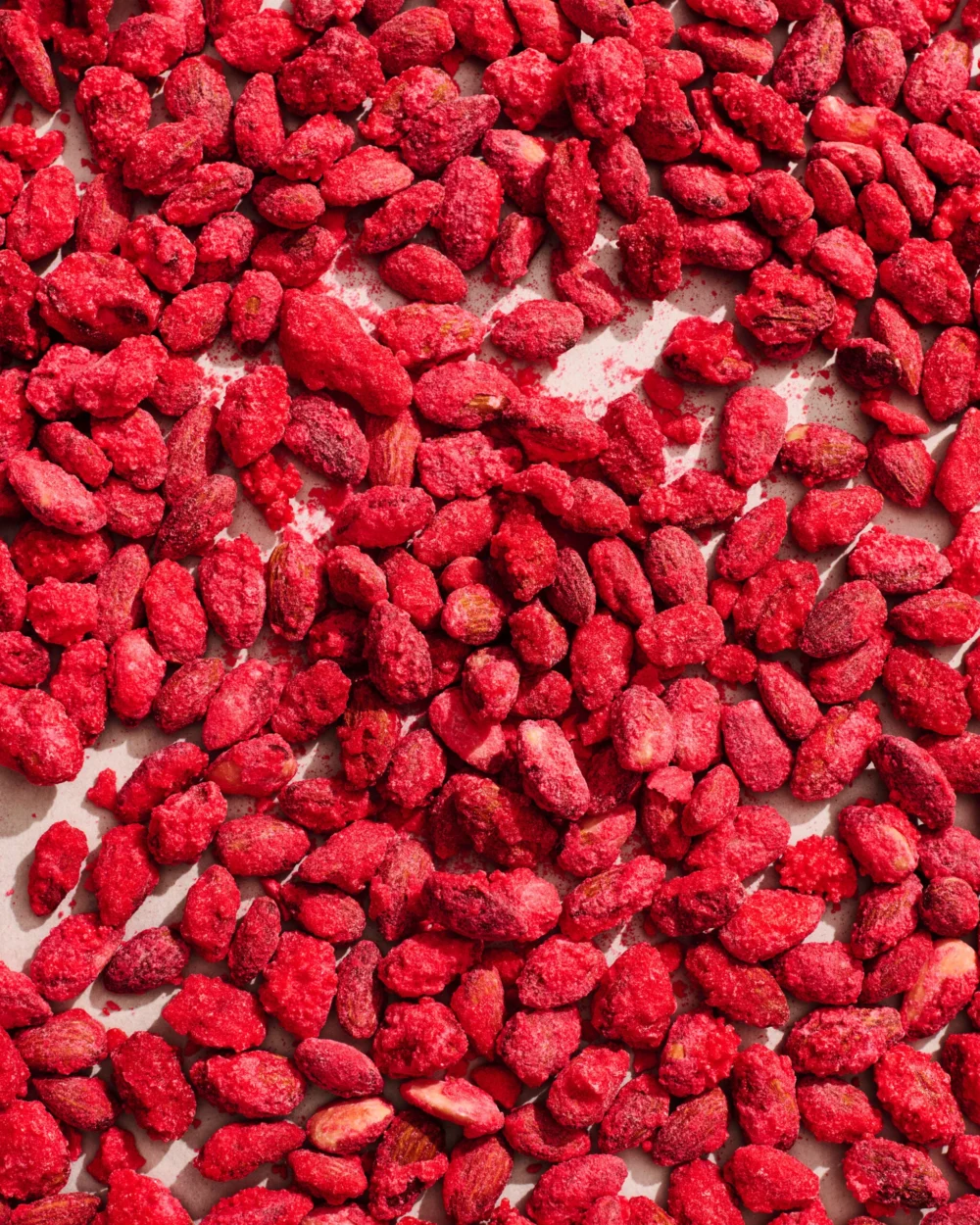
Lyon, a city synonymous with gastronomic excellence, boasts a visual landscape as rich and layered as its culinary heritage. Beyond the pastel-hued Renaissance façades and the ubiquitous terra-cotta roofs, a distinct splash of crimson often catches the eye, a harbinger of the sweet delights found within its bustling markets and artisanal bakeries. This vibrant hue emanates from the glossy, sugar-coated almonds known as pralines roses, a confection that has become an edible emblem of the city, as much a visual marker as a culinary one. These jewel-toned treats, glistening under the light, are a testament to Lyon’s enduring connection to traditional French patisserie and its ability to evolve and imbue classic confections with regional identity.
The Genesis of the Candied Nut
The story of pralines begins not with their signature pink hue, but with a simpler, more elemental form: caramelized nuts. The confection’s origins are widely traced back to 17th-century France, specifically to the kitchens of the Duke of Praslin. Here, almonds were coated in cooked sugar, creating a sweet, crunchy treat that was served to the aristocracy. This early iteration of the praline was a testament to the growing sophistication of French culinary arts during the Ancien Régime, where even simple ingredients were transformed into elaborate delicacies for the pleasure of the court. The technique of coating nuts in caramelized sugar, a process requiring precision and timing, allowed for a delightful interplay of textures and flavors.
From its aristocratic beginnings, the candied-nut confection gradually permeated French society. Its popularity spread across the country, and through colonial and trade routes, it eventually found its way to other corners of the globe influenced by French culture. One notable destination was New Orleans, where the praline evolved into a distinct, flatter, and creamier confection, often made with pecans and a rich caramel base, showcasing the adaptability of the original concept to local ingredients and palates. However, in the eastern regions of France, particularly in the Auvergne-Rhône-Alpes region, the praline was destined for a more vibrant transformation.
The Dawn of the Pink Revolution
The defining characteristic of the Lyonnaise praline—its striking pink color—emerged in the 19th century. Confectioners in the Auvergne-Rhône-Alpes region, seeking to differentiate their offerings and add a touch of visual flair, began to experiment with their sugar syrup. The innovation involved tinting the syrup a vivid red using cochineal, a natural dye derived from the dried bodies of the cochineal insect. This practice, while perhaps surprising by modern standards, was a common and accepted method of food coloring during that era, prized for its intense and stable pigment.
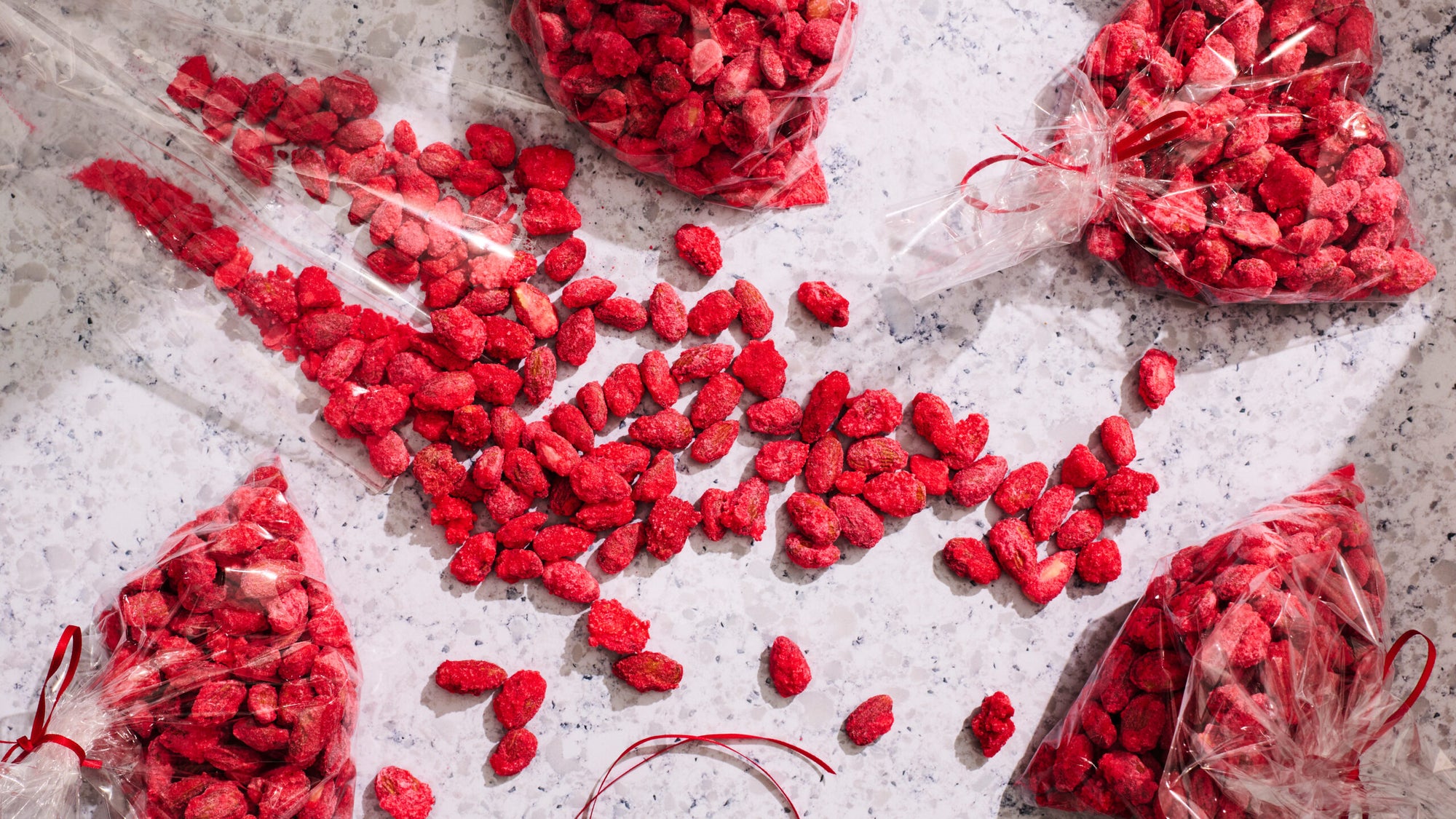
The introduction of cochineal dye was a masterstroke of both artistry and commerce. The otherwise ordinary caramelized nut was instantly elevated, becoming a visually arresting element on crowded shop counters. This strategic use of color not only made the pralines more appealing to customers but also served as a distinctive identifier for the confectioners who produced them. The deep, alluring pink set them apart from the more muted tones of other sweets, creating an immediate visual hierarchy in the pastry display. This period marked a significant divergence from the original, uncolored praline, laying the groundwork for the Lyonnaise specialty we recognize today.
Lyon’s Embrace: From Market Stalls to Culinary Icons
While the pralines roses may not have been strictly invented within the city limits of Lyon, they became inextricably linked to its identity through the dedicated efforts of its bakers, pastry chefs, and renowned candy houses. These establishments recognized the inherent appeal of the pink confection and began to integrate it into their signature creations, cementing its status as a Lyonnaise delicacy.
One of the most significant figures in popularizing the praline rose in Lyon is chocolatier François Pralus. His creation, La Praluline, a brioche bun generously studded with these vibrant pink nuts, became an instant classic. The fusion of the rich, buttery brioche with the sweet, slightly crunchy texture of the pralines created a harmonious balance that delighted locals and visitors alike. Pralus’s success underscored the versatility of the praline rose, demonstrating its ability to complement, rather than compete with, other baked goods.
Nearby, the venerable candymaker Voisin, a name synonymous with Lyonnaise confectionery for generations, also produces its own distinct version of pralines roses. Each confectioner, from Pralus to Voisin and countless smaller artisans, offers a slightly nuanced interpretation of the classic. Variations can be found in the degree of caramelization, the size of the almonds, and the subtle differences in the pink hue, each contributing to the rich tapestry of Lyonnaise praline production. This friendly competition and diversity of approach have undoubtedly contributed to the confection’s enduring popularity.
A Taste of Childhood and Culinary Versatility
For natives of Lyon, the praline rose is more than just a sweet; it’s a flavor deeply ingrained in childhood memories and family traditions. Chef Daniel Boulud, a proud son of Lyon, fondly recalls his upbringing with the confection. "Every Sunday my family would go to the bakery to buy brioche aux pralines, which we would enjoy for breakfast or dessert," he shares. "It was a weekly ritual." This intimate connection highlights how pralines roses transcended mere confectionery to become a part of the fabric of daily life and familial bonding.
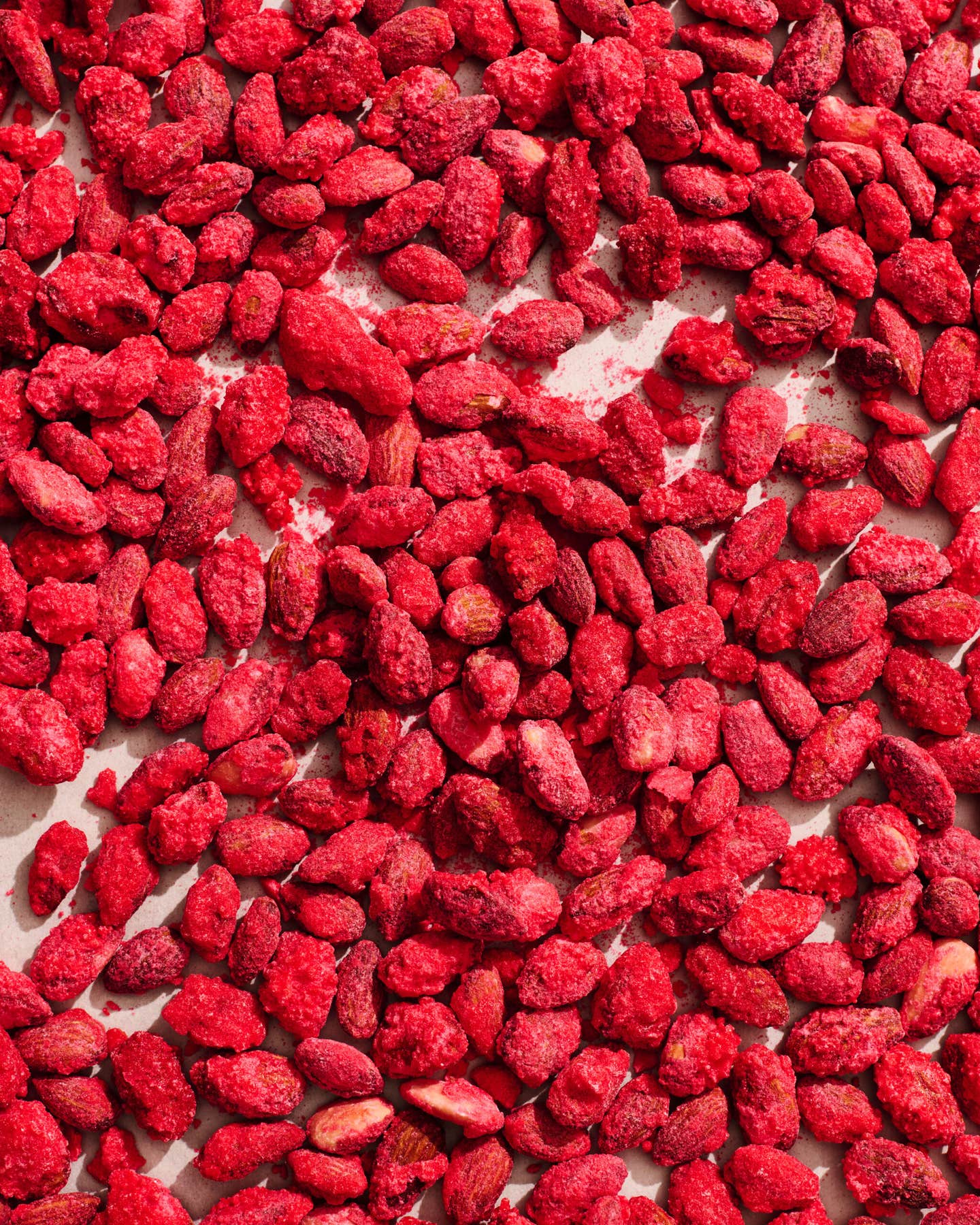
The versatility of the praline rose extends far beyond its simple enjoyment as a standalone sweet. In Lyon’s kitchens, these vibrant nuts are transformed into a myriad of delicious applications. They are finely chopped and folded into bread dough, imparting a subtle sweetness and a delightful crunch to the finished loaf. Melted down, they form the luscious, pink filling for the city’s iconic tarte aux pralines roses, a dessert that showcases the praline’s ability to provide both flavor and color. The characteristic pink hue permeates every stage of these culinary processes, tinting creams, custards, and ganaches, and lending finished pastries an unmistakable and alluring visual signature.
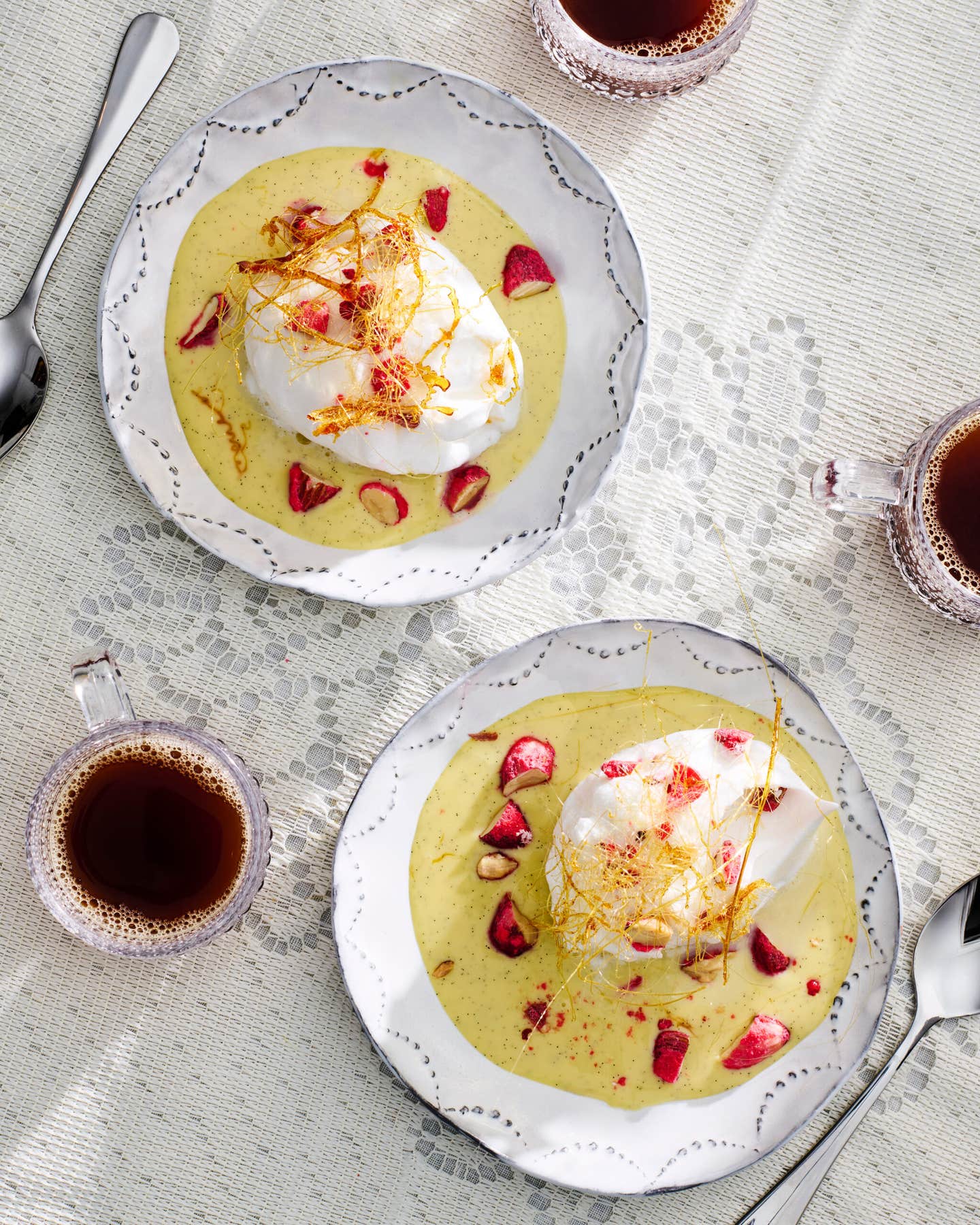
Chef Boulud further elaborates on the evolving role of pralines in contemporary Lyonnaise cuisine: "Today, pralines are also used in ice creams, cakes, and many other desserts," he notes. "When I was a child, I especially loved île flottante. The melted sugar created a wonderful candy-like flavor that’s very distinctive." This adaptability to modern dessert trends, while retaining its traditional charm, speaks volumes about the praline rose’s enduring appeal. Its ability to integrate seamlessly into both classic and contemporary culinary creations ensures its continued relevance and popularity.
An Edible Emblem of Lyonnaise Identity
As one wanders through Lyon’s charming streets, the subtle variations in the pralines roses become apparent. The shade of pink might deepen to a rich ruby or soften to a delicate blush. The almonds themselves might be presented whole, offering a satisfying crunch, or finely chopped, providing a more integrated sweetness. Yet, what remains constant is their profound impact on the city’s visual and culinary landscape.
More than just a sweet treat, pralines roses function as a powerful edible emblem. They serve as a tangible link between the modern-day pastry cases brimming with delectable creations and a longer, richer history of artisanal candymaking. They embody regional pride, a nod to the ingenuity and tradition that have shaped Lyonnaise gastronomy. And perhaps most importantly, they represent the enduring rituals of the bakery window, the simple joy of a beautifully presented confection that promises a moment of pure indulgence. The pralines roses are a vibrant, delicious reminder of Lyon’s unique heritage and its unwavering commitment to the art of fine food.
Recipes and Culinary Inspiration
The enduring appeal of pralines roses has inspired a wealth of culinary creations, inviting both home bakers and professional chefs to explore their sweet potential. The following recipes offer a glimpse into the diverse ways this Lyonnaise specialty can be enjoyed.
Pralines Roses: The Foundation of Sweetness
The process of creating pralines roses themselves is a delicate art, requiring careful attention to temperature and timing. While often purchased ready-made from Lyonnaise confectioners, understanding their creation offers insight into their unique texture and flavor.
[Link to Pralines Roses Recipe]
Tarte aux Pralines Roses: A Lyonnaise Classic
This iconic tart showcases the praline rose in its most celebrated form. The rich, creamy filling, infused with the essence of the pink almonds, encased in a buttery pastry shell, is a testament to the confection’s versatility.
[Link to Tarte aux Pralines Roses Recipe]
Île Flottante with Praline Caramel
Chef Daniel Boulud’s childhood favorite, the "floating island," takes on a new dimension when infused with the caramelized sweetness of pralines roses. The delicate meringue floats in a crème anglaise, crowned with a praline-infused caramel that adds a unique candy-like flavor.