admin
admin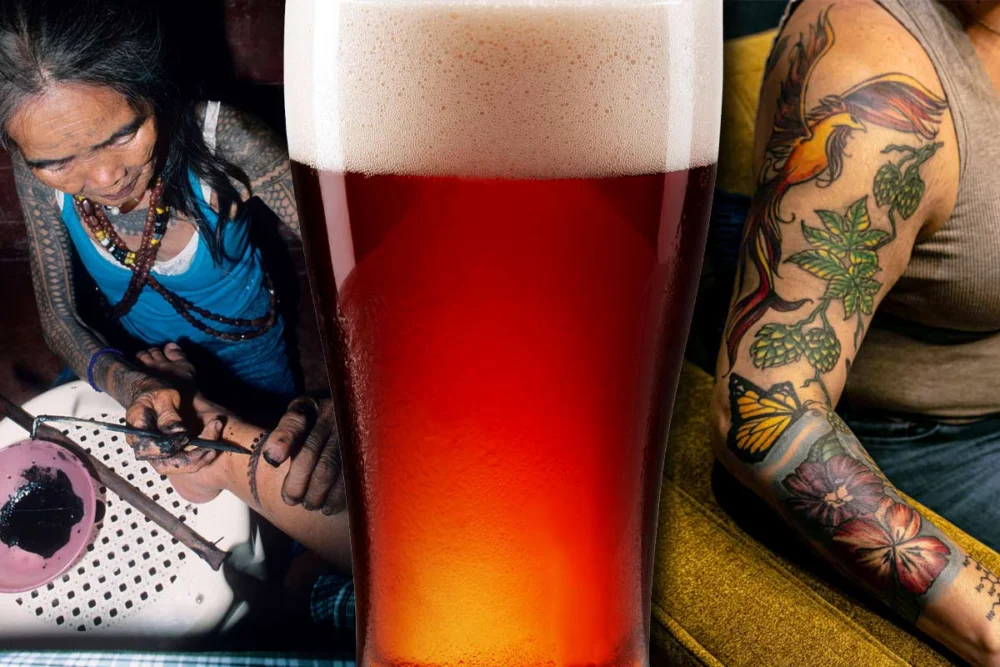
The convergence of tattooing and fermentation represents a profound intersection of human culture, where the modification of the body and the transformation of raw organic matter serve as twin pillars of community identity and spiritual continuity. While these practices may appear disparate to the modern observer, a closer examination of Indigenous histories across the Pacific, Asia, and South America reveals a shared grammar of ritualized change. Both crafts require a deep relationship with the land, an understanding of biological and chemical processes, and a commitment to preserving ancestral knowledge through embodied practice. In cultures ranging from the Ainu of northern Japan to the Makushi of Guyana, the act of marking the skin and the act of brewing beverages are often governed by the same deities, performed in the same sacred spaces, and utilized as tools for social and spiritual cohesion.
Historical Context and the Chronology of Cultural Suppression
The history of tattooing and fermentation is inextricably linked to the broader timeline of Indigenous resistance against colonial and imperial expansion. In the late 19th and early 20th centuries, many of the world’s most robust tattooing and brewing traditions faced systematic erasure. In Japan, the Meiji government’s 1871 ban on Ainu tattooing was part of a broader forced assimilation policy designed to strip the Indigenous population of their distinct cultural markers. Similarly, in the Philippines and the Americas, missionary influence and colonial administrations often categorized traditional tattoos as "primitive" and Indigenous fermented beverages as "unrefined" or "dangerous," leading to a decline in these practices.
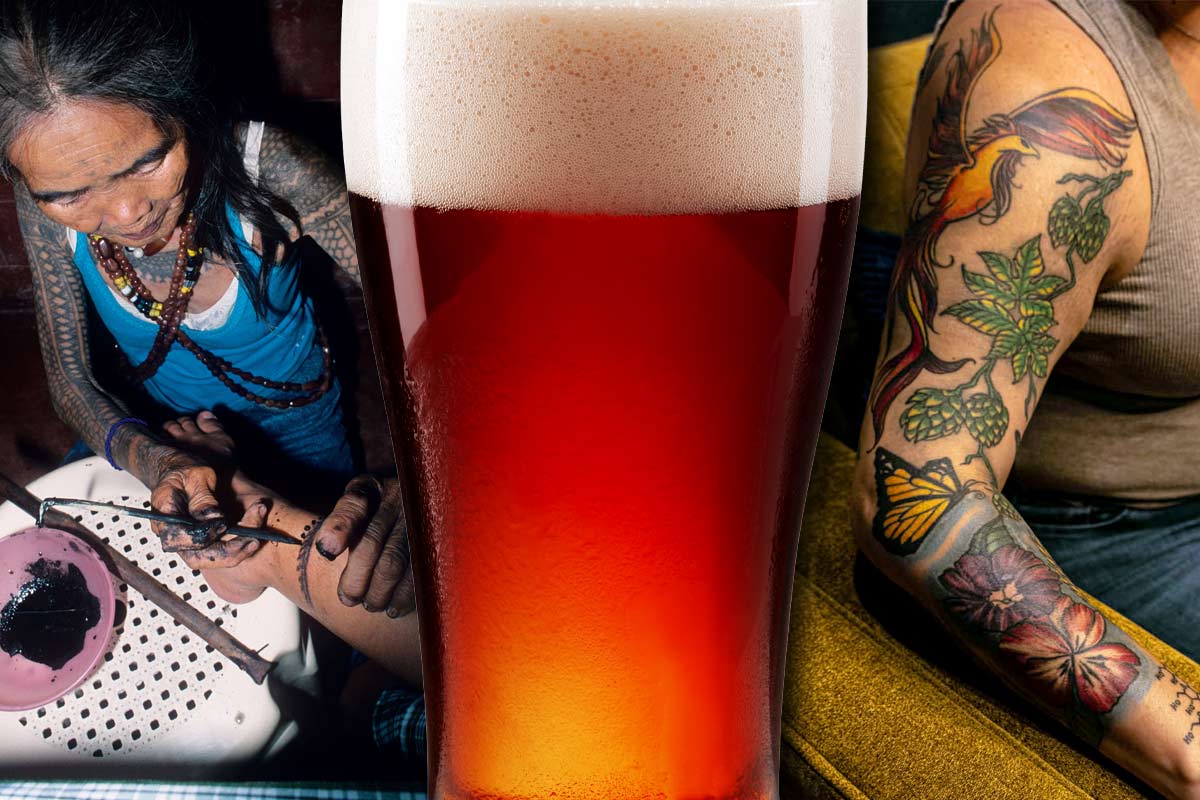
However, the 21st century has seen a resurgence in these traditions. The timeline of this revival is marked by a growing movement toward cultural sovereignty and decolonization. Today, the reclamation of hand-tapped tattoos and traditional brewing methods serves as a powerful statement of identity. By returning to the hearth and the needle, Indigenous communities are re-establishing a continuity that was interrupted by centuries of external pressure. This revival is not merely an aesthetic choice but a restoration of the "technologies of continuity" that allow communities to stay in conversation with their ancestors and the ecosystems they inhabit.
The Ainu of Northern Japan: The Centrality of the Hearth
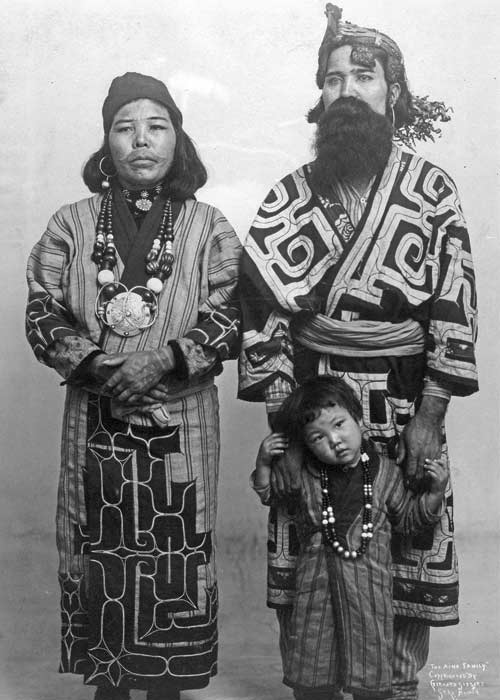
For the Ainu, the Indigenous people of Hokkaido, Sakhalin, and the Kuril Islands, the domestic hearth serves as the cosmological center of the universe. It is at the hearth that the two arts of tattooing and fermentation find their common origin. Both practices fall under the spiritual jurisdiction of Kamuy Fuchi, the goddess of the hearth, who is believed to protect the home and mediate between the human and spirit worlds.
The Ainu tattooing process, historically performed on women, utilized soot collected from the underside of earthenware cooking pots. This soot, a byproduct of the fire used to cook daily meals and brew ceremonial beverages, was rubbed into incisions made with a makiri (tattooing knife). The resulting dark blue-black pigment, particularly around the mouth and on the hands, was believed to protect the wearer from malevolent spirits. Simultaneously, the hearth was the site for brewing tonoto, a fermented beverage made from rice or millet. The production of tonoto was a gendered responsibility, with women acting as the sole caretakers of the ferment. The beer was more than a drink; it was a sacred offering to the kamuy (divine beings). The chemical transformation of the grain into alcohol mirrored the physical transformation of the girl into a tattooed woman, both processes being overseen by the same fire and the same goddess.
The Kalinga of the Philippines: Fermentation in the Ink
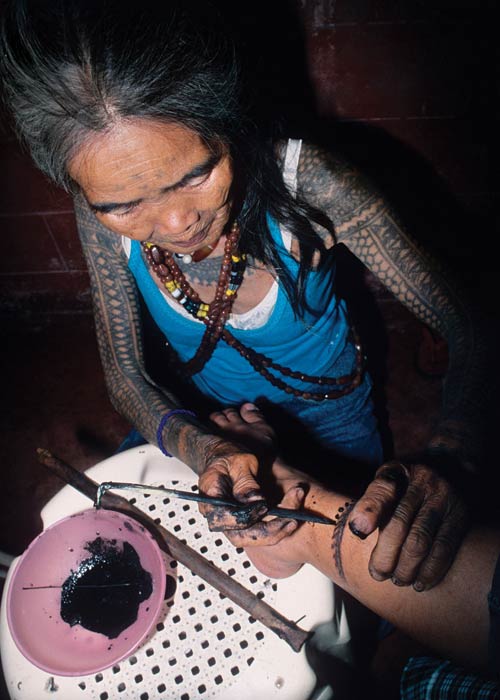
In the rugged Cordillera region of Luzon, the Kalinga people have maintained the tradition of batok, or hand-tapped tattooing, for centuries. While tattooing is often viewed as a mechanical process—piercing the skin to deposit pigment—the Kalinga tradition introduces a fascinating chemical element: the use of fermented liquids in the ink itself. Historically, mambatok (tattoo artists) would mix soot with water or plant-based juices to create their pigment. In certain instances, sugarcane juice was utilized as a carrier.
The inclusion of sugarcane juice is significant because, once mixed and allowed to rest, the natural yeasts present in the environment begin the process of fermentation, converting the sugars into alcohol. While the primary purpose of the ink is to remain indelible within the dermis, the chemical evolution of the mixture during its preparation highlights the blurred lines between brewing and tattooing. For the Kalinga, these tattoos were markers of social status; for men, they signaled bravery in warfare, while for women, they represented beauty and maturity. Even as modern inks replace traditional mixtures, the ceremonial use of fermented rice wine (tapuy) and palm wine (tuba) remains a constant during the tattooing process, reinforcing the idea that transformation of the skin must be accompanied by the communal sharing of a transformed drink.
The Makushi of Guyana: Brewing Charms and the "Sting" of the Brew
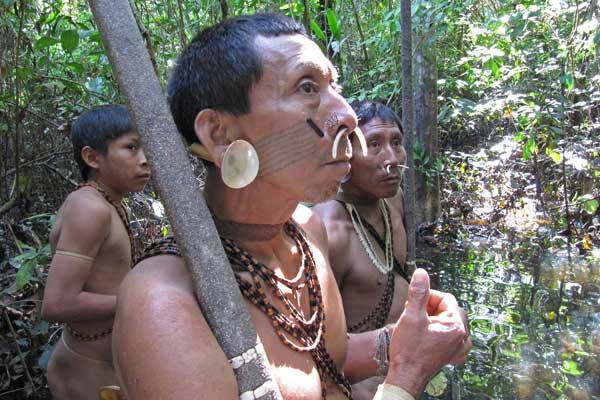
The Makushi people of the Guiana Shield provide perhaps the most direct link between the efficacy of a ferment and the presence of a tattoo. In Makushi culture, the staple crop is cassava, which is processed into a variety of foods and beverages, most notably parakari. This complex beer involves a dual-fermentation process using both mold and yeast, a sophisticated biotechnological feat.
Central to this process were kansku markings—tattoos applied to the arms and jaws of women as functional charms. These tattoos were believed to directly influence the quality of the fermented beverage. Patterns mimicking the "sting" of a scorpion or the sweetness of a bee were intended to imbue the parakari with similar characteristics. In the Makushi language, the word yekî possesses a dual meaning, referring both to the "sting" of an insect and the state of being intoxicated. According to anthropological research by Dr. Lars Krutak, a woman’s ability to successfully brew and even serve the drink was traditionally contingent upon her possessing these tattoos. The markings functioned as a spiritual and social license to practice the art of fermentation, ensuring that the brewer was in the correct ritual state to manage the delicate biological transformation of the cassava.
Indigenous Epistemologies: Genealogy and Kinship in Hawaii
In Hawaiian culture, the relationship between the body and fermented food is framed through the lens of genealogy. Kākau (hand-tapped tattooing) is viewed as a physical manifestation of one’s lineage, a "living record" of ancestry. Parallel to this is the cultivation and fermentation of kalo (taro) into poi. In Hawaiian cosmology, the kalo plant is the elder brother of the Hawaiian people, stemming from the same ancestral origin.
Dr. Lindsay Malu Kido, a scholar of Indigenous body sovereignty, notes that feeding oneself fermented poi is an act of kinship. When a person is tattooed with motifs representing their genealogy and then consumes the fermented essence of their ancestral "brother," they are participating in a closed loop of cultural and biological reinforcement. This epistemology suggests that the body and the ferment are not two separate entities but are both vessels for the same ancestral spirit. The fermentation process preserves the taro, just as the tattoo preserves the memory of the lineage. In this context, both practices are acts of resistance against the "outside moral frameworks" that sought to diminish Indigenous authority over their own bodies and food systems.
Contemporary Echoes: The Modern Craft Brewery as a Site of Identity
The connection between ink and drink has transitioned into the contemporary era, particularly within the global craft brewing industry. While modern brewers may not always follow ancestral protocols, they utilize tattoos to express a similar relationship with craft, transformation, and personal history. Tattoos of hop bines, yeast cells, and chemical formulas are common among professionals in the industry, serving as modern "guild marks" that signal a lifelong commitment to the science and art of fermentation.
For individuals like Sandra Murphy of Murphy’s Law Brewery and Rachael Engel of Sound2Summit Brewery, tattoos serve as milestones of personal transformation. Murphy’s sleeve, which incorporates ale yeast cell walls and barley stalks alongside memorial symbols for her daughter, illustrates how the brewing craft and the tattooed image can provide a framework for healing and reclamation. For Engel, the acquisition of a hop sleeve coincided with her journey of gender transition, mirroring the "climbing" nature of the hop plant toward the light. These contemporary examples demonstrate that even in a secular, industrial context, the human impulse to mark the body in tandem with the practice of fermentation remains a potent method for navigating change and defining the self.
Technical and Social Implications: A Fact-Based Analysis
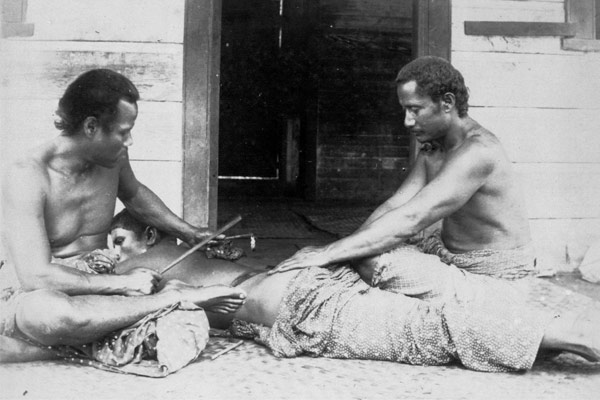
From a technical perspective, the intersection of these two fields relies on the management of organic materials. Fermentation is the anaerobic breakdown of sugars by microorganisms like bacteria and yeast. Tattooing is the permanent insertion of pigment into the dermal layer of the skin. Both require an understanding of "living" systems—the brewer must keep the yeast alive and healthy, while the tattooist must respect the biological limits of the skin to ensure healing and pigment retention.
Socially, the data suggests that these practices are vital for community resilience. Indigenous groups that have successfully revitalized their tattooing and brewing traditions often report higher levels of cultural pride and social cohesion. The "shared grammar of transformation" provides a bridge between the past and the future. By analyzing these cultures, it becomes clear that ink and drink are more than hobbies or aesthetic choices; they are sophisticated technologies of identity that have survived centuries of suppression to remain relevant in the modern world.
Conclusion: Traces of the Past, Blueprints for the Future
The global kinship between tattoos and fermentation reveals a fundamental human desire to engage with the world through ritualized transformation. Whether it is the Ainu woman drawing soot from her hearth to mark her skin, or the modern brewer tattooing a yeast strain onto her arm, the underlying logic remains the same: the things we consume and the marks we carry are the primary ways we communicate who we are and where we come from.
Ink marks the body, creating a permanent record of a temporary life. Fermentation marks the food, allowing it to transcend its raw state and provide nourishment, intoxication, and connection. Together, these practices leave indelible traces of human history. They invite us to view the body not as a static object, but as a site of ongoing creation—a vessel that, like a fermenting brew, is constantly becoming something more than the sum of its parts. As these traditions continue to evolve, they serve as a reminder that the most profound changes often happen quietly, through the steady hands of those who know how to work with the fire, the needle, and the grain.