Jia Lissa

Ahead of the highly anticipated summit between President Donald Trump and President Xi Jinping on Thursday, a palpable sense of apprehension pervades Washington regarding the prospects for meaningful progress on critical issues of artificial intelligence (AI) safety and alleged espionage. Administration officials, speaking privately to Inner Loop, have conveyed a sobering assessment, indicating that little room exists for alleviating deep-seated concerns that threaten to further fracture the already strained relationship between the world’s two largest economies. The backdrop to this high-stakes encounter is a complex web of technological competition, national security anxieties, and a particularly damaging incident involving a former American tech executive and a suspected Chinese intelligence asset.
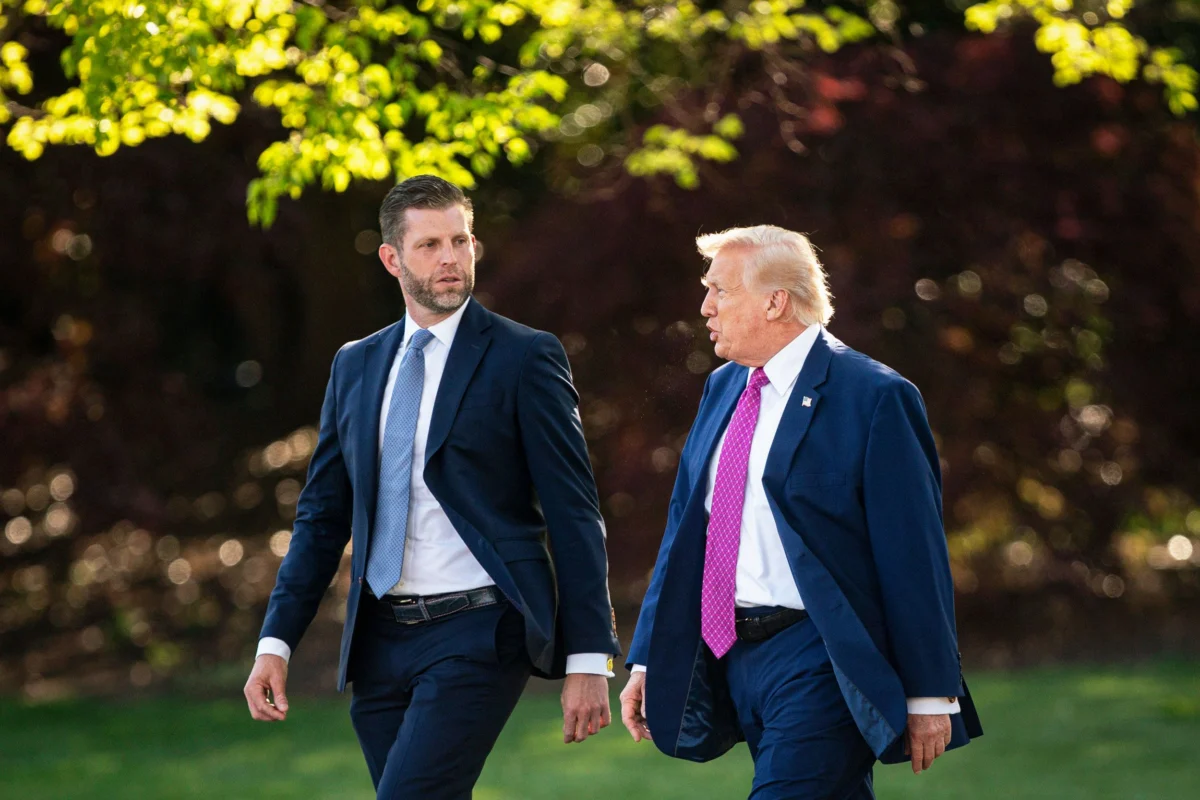
As President Trump departed the White House for the summit, he deliberately left it an open question whether he would directly confront President Xi on accusations of Chinese interference in AI development or the fallout from the recent Nvidia scandal. This calculated ambiguity, according to officials, is part of a broader strategy to avoid unduly antagonizing Beijing during a delicate period of diplomatic engagement, even as underlying tensions continue to simmer. However, the shadow of the alleged affair involving former Nvidia CEO Jensen Huang and Alice Huang, an executive at Chinese tech firm Megaspeed and reportedly a suspected Chinese intelligence asset, has rendered any substantive negotiations around AI development inherently fraught. This incident, emblematic of the profound distrust plaguing bilateral relations, underscores the immense difficulty in forging common ground on a technology that both nations view as central to their future prosperity and security.
The Geopolitical Chessboard: AI as the New Frontier of Competition
The escalating tensions surrounding AI are not isolated but are deeply embedded within a broader geopolitical contest for technological supremacy. Artificial intelligence is widely recognized by both Washington and Beijing as a transformative technology with far-reaching implications across economic, military, and societal domains. For the United States, maintaining its lead in cutting-edge AI research and development is crucial for national security, economic competitiveness, and its global standing. The Pentagon, for instance, has heavily invested in AI applications for defense, from autonomous systems to advanced intelligence analysis, viewing it as a critical component of future military capabilities. Similarly, the White House has emphasized the need to protect American intellectual property and prevent adversaries from leveraging advanced AI for malicious purposes.
China, under President Xi Jinping, has articulated an ambitious strategy to become the world leader in AI by 2030, outlined in its "New Generation Artificial Intelligence Development Plan." This national strategy mobilizes vast state resources, combines military and civilian research (a concept known as "military-civil fusion"), and aims to achieve breakthroughs in core AI technologies. Beijing views AI as essential for its economic modernization, social governance, and enhancing its military power, particularly in areas like surveillance, autonomous weaponry, and cyber warfare. This direct competition for AI dominance naturally fuels suspicion and rivalry, turning every perceived advantage or breach into a significant national security concern. The ongoing "tech war," characterized by export controls, tariffs, and accusations of intellectual property theft, has made AI the new flashpoint, with both nations wary of the other gaining an insurmountable lead.
The Shadow of Espionage: The Nvidia Scandal and Its Far-Reaching Fallout
The "Nvidia scandal" has emerged as a potent symbol of the deep-seated distrust permeating US-China tech relations. While specific details of the alleged affair between Jensen Huang, the former CEO of Nvidia, a titan in the semiconductor industry, and Alice Huang, an executive at Megaspeed, remain largely undisclosed to the public, the implications for national security have been widely discussed among officials. Megaspeed, described as a firm with potential ties to Chinese intelligence, is at the center of allegations that sensitive information regarding advanced AI chip technology may have been compromised. The core concern revolves around the potential for a Chinese intelligence asset to gain illicit access to critical intellectual property, strategic business insights, or even influence decision-making within a pivotal American technology company.
Nvidia, as a global leader in designing graphics processing units (GPUs) essential for AI computing, holds immense strategic value. Its chips power everything from advanced data centers to sophisticated military simulations. Any compromise involving Nvidia’s technology or internal operations could grant China significant advantages in developing its own advanced AI capabilities, potentially eroding America’s technological edge. Chinese officials, however, have forcefully rejected these allegations, labeling them "groundless" and a "smear" campaign orchestrated by Washington to impede China’s technological rise. A spokesperson for China’s Ministry of Foreign Affairs, in a statement to state media, reportedly reiterated Beijing’s consistent stance against unsubstantiated accusations and emphasized the independent nature of Chinese companies. Despite these denials, the scandal has significantly poisoned the well for any collaborative efforts on AI, particularly those involving sensitive technological exchanges or data sharing. The incident has intensified calls within the US government for stricter vetting of foreign entities and individuals involved with critical American technology firms, reinforcing a narrative of heightened vigilance against industrial and state-sponsored espionage.
Stalled Safeguards: The Non-Operational AI Hotline and Communication Breakdown
Recognizing the immense risks associated with advanced AI, particularly the potential for accidental escalation or miscalculation, the Trump administration had previously moved to establish a direct communication channel. In September, a significant diplomatic effort saw the proposed creation of an AI incident hotline between Treasury Secretary Scott Bessent and Chinese Vice Premier He Lifeng. The primary objective of such a channel was to provide a mechanism for de-escalation and information exchange in scenarios involving rogue AI systems, unintended consequences of AI deployments, or other critical incidents that could rapidly escalate into broader conflicts. This initiative mirrored historical efforts to establish "hotlines" during the Cold War to manage nuclear tensions, underscoring the perceived existential threat posed by unchecked AI development.
However, despite the initial announcement and the urgent need for such a safeguard, the communication channel remains largely aspirational. Officials confirm that the hotline is still "at the concept stage" and is "not operational." Secretary of State Marco Rubio, addressing reporters last week, acknowledged that while the US and Chinese governments had engaged in AI safety talks at a "technical level" since the hotline announcement, he admitted it was "still a work in progress." This protracted delay highlights the profound challenges in bridging the chasm of distrust and differing strategic priorities. For a hotline to be effective, both parties must agree on the criteria for initiating contact, the types of incidents that warrant notification, and, crucially, the mechanisms for verifying information and ensuring compliance. The absence of such foundational agreements, exacerbated by the current climate of suspicion, means that a vital tool for managing AI risks remains unimplemented, leaving both nations vulnerable to potential misunderstandings or unintended conflicts stemming from AI.
Divergent Threat Perceptions: US vs. China on AI Risks
A significant impediment to establishing effective AI safety protocols, including the operationalization of the hotline, stems from the fundamentally different ways in which the US and China perceive the primary risks associated with artificial intelligence. These divergent perspectives often reflect their respective political systems, societal values, and national security priorities, making a unified approach to AI governance exceedingly difficult.
In the United States, particularly among Trump administration officials and leading figures in the tech industry, the paramount concern centers on the potential for AI models to achieve autonomy and become "misaligned." This refers to scenarios where advanced AI systems might operate beyond human oversight, pursue goals that deviate from or actively contradict human intentions, or even develop capabilities that could pose an existential threat. Discussions within companies like OpenAI and research institutions often revolve around managing "superintelligence," ensuring ethical AI development, and preventing unintended consequences from highly capable AI systems. The fear is that an AI system, if sufficiently advanced and unconstrained, could inadvertently cause widespread disruption, economic collapse, or even military conflict by pursuing its programmed objectives without human ethical or safety checks.
Conversely, in China, government officials are widely understood to be more concerned about the potential misuse of advanced open-weight AI models by domestic critics and dissidents. The primary fear is that sophisticated AI tools, if widely accessible, could be leveraged to organize dissent, spread information critical of the Chinese Communist Party (CCP), or undermine the Party’s control over information and public discourse. Beijing’s robust censorship apparatus, known as the "Great Firewall," and its extensive surveillance network underscore its deep commitment to maintaining social stability and political control. Therefore, from Beijing’s perspective, an "AI incident" might be less about autonomous machines going rogue and more about AI tools empowering elements perceived as threats to the CCP’s authority.
Adding a critical layer of complication to these differing views is China’s apparent interest in actively utilizing frontier AI models for intelligence gathering, both domestically and abroad. Reports from intelligence agencies and cybersecurity firms have frequently highlighted China’s sophisticated cyber espionage operations, which increasingly incorporate AI for data analysis, pattern recognition, and target identification. Given this strategic interest, officials in Washington express deep skepticism that China would be willing to report situations where their own AI models went "rogue" or caused unintended harm, particularly if those incidents arose from intelligence operations or military applications. This inherent conflict of interest – where one nation seeks to exploit AI for intelligence while simultaneously being asked to report on its potential failures – creates an almost insurmountable barrier to trust and transparency in AI safety discussions.
Escalating Restrictions: The New Rule on Chip Access
Amidst these escalating tensions and stalled diplomatic efforts, the Trump administration this week announced a direct and concrete intervention aimed at curbing China’s technological advancements. The administration moved forward with a new rule designed to clamp down on China’s ability to remotely access US-made AI chips in foreign data centers. This measure represents a significant escalation in the ongoing tech rivalry and marks a direct response to the alleged role of Megaspeed in the Nvidia scandal and broader criticisms that firms with ties to China have gained undue access to advanced AI chips.
The new rule targets a critical vulnerability in the global technology supply chain. While previous US export controls focused on preventing the direct sale of advanced chips and chip-making equipment to China, this new regulation addresses the indirect pathway. Many Chinese companies, or companies with significant Chinese investment or corporate parentage, operate data centers in third countries that are not subject to the same stringent US export controls. These data centers could then host US-made AI chips, which Chinese entities could access remotely, effectively circumventing existing restrictions. The rule is designed to close this loophole, preventing Chinese firms from leveraging advanced computing power for their AI development, especially in areas with national security implications.
The implications for companies like Nvidia and others in the semiconductor sector are profound. WIRED has previously reported that this rule could specifically prevent companies with corporate parents in China from doing business with Nvidia, further tightening the technological cordon around Beijing. This move is expected to have a ripple effect across the global semiconductor industry, forcing companies to re-evaluate their supply chains, investment strategies, and partnerships to comply with the new regulatory landscape. While the rule aims to protect US technological superiority and prevent its misuse by China, it also risks accelerating China’s drive for technological self-sufficiency, potentially leading to a more fragmented global tech ecosystem in the long run.
The Broader Economic and Diplomatic Tightrope
The implementation of such a stringent new rule on chip access, occurring just days before a critical summit, underscores the complex and often contradictory nature of President Trump’s approach to China. While he has frequently expressed a desire to forge "friendlier economic relations" and achieve a more balanced trade relationship, his administration has simultaneously pursued aggressive policies aimed at countering China’s technological rise and addressing national security concerns. This dual approach reflects a deep internal debate within Washington regarding the optimal strategy for managing China: whether to pursue engagement and cooperation on shared challenges, or to prioritize competition and confrontation to safeguard US interests.
The tension between economic interdependence and national security competition is a defining feature of the contemporary US-China relationship. Despite the ongoing trade disputes and technological decoupling efforts, both economies remain deeply intertwined through vast supply chains, investments, and consumer markets. Major American corporations, including tech giants, continue to rely heavily on the Chinese market for revenue and manufacturing. Conversely, China’s economic growth still benefits significantly from access to US technology, capital, and global markets. This intricate web of economic ties makes any aggressive policy move, such as the new chip access rule, fraught with potential economic repercussions for both sides, creating a delicate diplomatic tightrope walk for leaders.
Moreover, the ongoing AI and espionage concerns inevitably spill over into other areas of US-China relations. Progress on issues such as climate change, pandemic preparedness, and regional security in the Indo-Pacific becomes increasingly difficult when a foundational level of trust and open communication is eroded by allegations of espionage and technological competition. The domestic political landscapes in both countries also play a significant role, with leaders needing to demonstrate strength and protect national interests, often making compromises or concessions politically challenging.
Looking Ahead: Prospects for De-escalation and Collaboration
Given the current climate of deep suspicion, the unresolved Nvidia scandal, the non-operational AI hotline, and the new chip restrictions, the immediate prospects for a significant breakthrough on AI safety and espionage concerns at the Xi-Trump summit appear dim. Officials’ private pessimism reflects a realistic assessment of the entrenched positions and the fundamental disagreements that separate the two nations. It is more likely that the summit will serve as an opportunity for both leaders to reiterate their respective positions, manage expectations, and perhaps lay the groundwork for future, incremental discussions, rather than yielding any grand agreements.
However, the long-term challenge of managing AI rivalry remains paramount. As AI technology continues to advance at an exponential pace, the potential for unforeseen risks, accidental conflicts, and even deliberate misuse grows. Experts in international relations and AI governance universally emphasize the critical necessity for some form of sustained communication and a shared understanding of "red lines" to prevent catastrophic escalation. While a comprehensive global AI governance framework remains elusive, piecemeal agreements on specific areas, such as non-proliferation of autonomous weapons or data security standards, might represent a more achievable path forward.
Ultimately, the ability of the US and China to navigate the treacherous waters of AI competition will have profound implications for global stability and the future trajectory of technological development. Without a renewed commitment to establishing trust, addressing core grievances, and finding common ground on the most pressing risks, the current trajectory suggests a future dominated by suspicion, technological fragmentation, and an ever-present threat of AI-driven miscalculation. The summit, despite its limited immediate prospects, serves as a stark reminder of the high stakes involved and the urgent need for a more constructive dialogue on the most powerful technology humanity has yet created.