admin

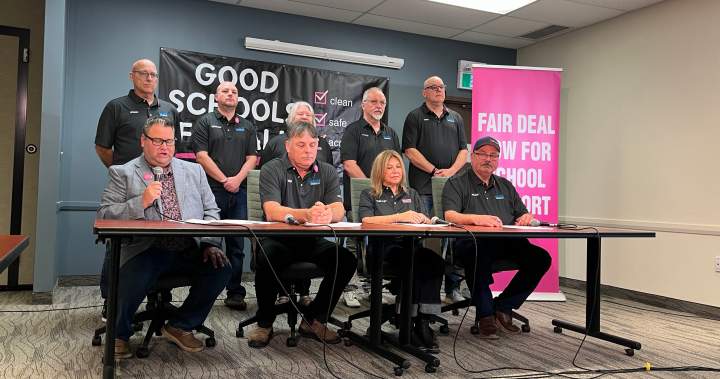
The Canadian Union of Public Employees (CUPE), representing over 5,500 vital school support workers across Nova Scotia, has delivered a stark ultimatum to the provincial government, demanding a return to the bargaining table by noon on Monday, November 23, 2026. This urgent call follows the overwhelming rejection by CUPE members of a tentative collective agreement, pushing the province closer to a widespread school strike that could significantly disrupt the education system for thousands of students and families.
The Impasse: A Deeper Look at Wage Demands
At the heart of the dispute are wages, a critical concern for a workforce comprising educational program assistants (EPAs), teaching assistants, early childhood educators, librarians, bus drivers, janitors, and cafeteria workers. These professionals form the backbone of the province’s educational infrastructure, providing essential services that ensure student safety, well-being, and learning support. However, many feel their compensation has not kept pace with the soaring cost of living in Nova Scotia, leading to a sense of being undervalued and financially strained.
Andrew Weaver, President of CUPE Local 964, articulated the members’ frustration, stating, "It’s really wages that bring members to the table." He highlighted the inadequacy of the rejected offer, detailing how the proposed "small bump" in pay was relegated to the very end of a four-year agreement, with "literally pennies" offered in the preceding years. This structure was perceived by members as a "slap," indicating a profound disconnect between the government’s offer and the workers’ urgent financial needs. Shelley McNeil, President of CUPE Local 5047, echoed this sentiment, emphasizing that despite the union leadership’s belief that the package was "at least presentable," the democratic process of ratification clearly showed that "the members stated and they voted and they are very clear that this is not going to meet their needs."

CUPE’s initial demand for a $3.50-an-hour wage increase for all members by 2029 reflected a desire for meaningful financial improvement. While the specific details of the rejected tentative deal were not publicly disclosed, the union’s statements indicate it fell significantly short of these expectations, particularly in its staggered implementation and overall value. This rejection underscores a broader struggle within the public sector to secure fair wages in an inflationary environment, where essential workers often find their salaries eroded by rising expenses for housing, groceries, and fuel.
Chronology of a Crisis: From Notice to Ultimatum
The current dispute has been unfolding over several weeks, escalating from initial negotiations to the brink of job action:

- October 30, 2026: CUPE filed a 48-hour strike notice, signaling its members’ readiness to take job action if a satisfactory agreement could not be reached. This move immediately put pressure on the provincial government and school boards to intensify negotiations.
- Early November 2026: Ahead of the initial strike deadline, a tentative deal was successfully reached between CUPE and the provincial government. This development provided a temporary reprieve, averting an immediate strike and instilling hope for a swift resolution.
- Mid-November 2026: Ratification meetings and votes were conducted across the eight CUPE locals representing school support workers throughout Nova Scotia. This democratic process allowed individual members to review and vote on the proposed collective agreement.
- This Week (leading up to Nov 20): The results of the ratification votes were announced, revealing an overwhelming rejection of the tentative agreement by CUPE members. This unexpected outcome plunged the negotiations back into uncertainty and reignited the threat of a strike.
- November 20, 2026: CUPE leadership publicly called on the provincial government to return to the bargaining table, setting a firm deadline of Monday, November 23, 2026, at noon. The union affirmed that its previously filed 48-hour strike notice remains active, and a 24-hour courtesy notice would be provided to members and parents if job action were to proceed.
This timeline highlights a pattern common in labour disputes: a period of intense negotiation, a tentative agreement, and then the critical hurdle of membership ratification, which can sometimes overturn agreements negotiated by leadership if they do not adequately address the rank-and-file’s core concerns.
The Ripple Effect: Impact on Students, Families, and the Education System
A strike by school support workers would have far-reaching and immediate consequences for Nova Scotia’s education system and the wider community. The diverse roles performed by CUPE members mean that disruptions would be felt across virtually every aspect of school operations:

- Students with Special Needs: Educational Program Assistants (EPAs) and Teaching Assistants (TAs) provide crucial, often one-on-one, support for students with diverse learning needs, disabilities, and behavioral challenges. Their absence would leave these vulnerable students without the necessary assistance, potentially leading to significant regression in learning and emotional well-being. Schools might struggle to provide mandated accommodations, forcing some students to stay home.
- Transportation: Bus drivers are essential for transporting students safely to and from school, particularly in rural areas where public transit alternatives are scarce. A strike would strand thousands of students, creating immense logistical challenges for parents who rely on this service and disrupting daily routines.
- Health and Safety: Janitorial staff are critical for maintaining clean and hygienic school environments, which is paramount for preventing the spread of illness, especially in the wake of heightened public health awareness. Their absence could lead to unsanitary conditions, posing health risks and potentially forcing school closures.
- Nutrition: Cafeteria workers ensure students have access to nutritious meals, a vital service for many children, particularly those from low-income families who depend on school meal programs. A strike would disrupt these services, potentially impacting student health and concentration.
- Early Childhood Education: Early childhood educators play a foundational role in elementary schools, providing crucial support for young learners. Their absence would affect early literacy and development programs.
- Learning Resources: Librarians manage school libraries, providing access to educational resources and fostering literacy. A strike could limit access to these vital learning tools.
For parents, a strike means scrambling for alternative childcare arrangements, adjusting work schedules, and navigating complex logistics. The economic impact extends beyond individual families, as disruptions to work-life balance can affect local businesses and productivity. More broadly, the province’s commitment to providing a stable and equitable learning environment for all students would come under intense scrutiny.
Government’s Stance and Next Steps
Nova Scotia Labour Relations Minister John Lohr issued a statement on Friday, acknowledging the invitation to return to bargaining but expressing a need for clarity. Lohr stated that the province’s "main priority has been to prevent a disruption in learning" and that it had "put together an offer that gave CUPE what they said they wanted." He further added, "We welcome the invitation to return to bargaining, but we first need to clearly understand what they are bringing back to the table. Our hope is for a productive discussion that reflects a solid understanding of what their members are looking for."

The government’s position suggests a belief that their initial offer adequately addressed CUPE’s demands, and they are now seeking a clearer understanding of the specific reasons for its rejection and what new parameters CUPE is prepared to negotiate. This stance indicates a cautious approach, emphasizing the need for concrete proposals from the union rather than an immediate willingness to significantly alter the previous offer without further clarification.
However, CUPE Nova Scotia President Alan Linkletter made it clear that while job action is a last resort, the union is prepared to take that step if necessary. "That is the last thing we want, is to have the members on the streets, and communities, and services disrupted," Linkletter affirmed. "But, let me be very clear. If the government forces our hand, we will do what is necessary to support our workers." This firm declaration underscores the union’s commitment to its members’ demands and its readiness to escalate the dispute if negotiations fail to yield a satisfactory outcome.

Broader Implications and The Road Ahead
This dispute is not isolated; it reflects broader economic pressures and the ongoing challenges of public sector wage negotiations across Canada. With inflation impacting the purchasing power of workers, unions are increasingly pushing for wage increases that truly reflect the rising cost of living. Nova Scotia, in particular, has seen significant increases in housing costs and other essential expenses in recent years, placing immense pressure on lower-wage earners.
The democratic rejection of the tentative agreement also highlights the increasing assertiveness of union memberships. In an era where communication is instant and information on economic conditions is readily available, members are more empowered to scrutinize proposed deals and demand more from their leadership and employers. This places an added responsibility on negotiators to ensure that any agreement genuinely addresses the concerns of the workers it represents.

The looming Monday deadline sets the stage for a critical weekend of decision-making for both parties. The provincial government faces the challenge of balancing fiscal responsibility with the need to retain and adequately compensate essential public service workers. A prolonged strike could lead to significant public backlash, particularly from parents affected by school closures, and could damage the government’s reputation. For CUPE, the challenge is to maintain solidarity among its diverse membership while demonstrating a clear path forward in negotiations.
Should the government and CUPE fail to find common ground by Monday noon, Nova Scotia’s schools could face an unprecedented shutdown of vital support services. The 24-hour courtesy notice would then be triggered, providing a final window for families to prepare for potential disruptions. The outcome of these tense negotiations will not only determine the immediate future of education in the province but could also set a precedent for future public sector labour relations in Nova Scotia. All eyes will be on Halifax as the deadline approaches, hoping for a resolution that safeguards both the workers’ livelihoods and the continuity of student learning.