admin
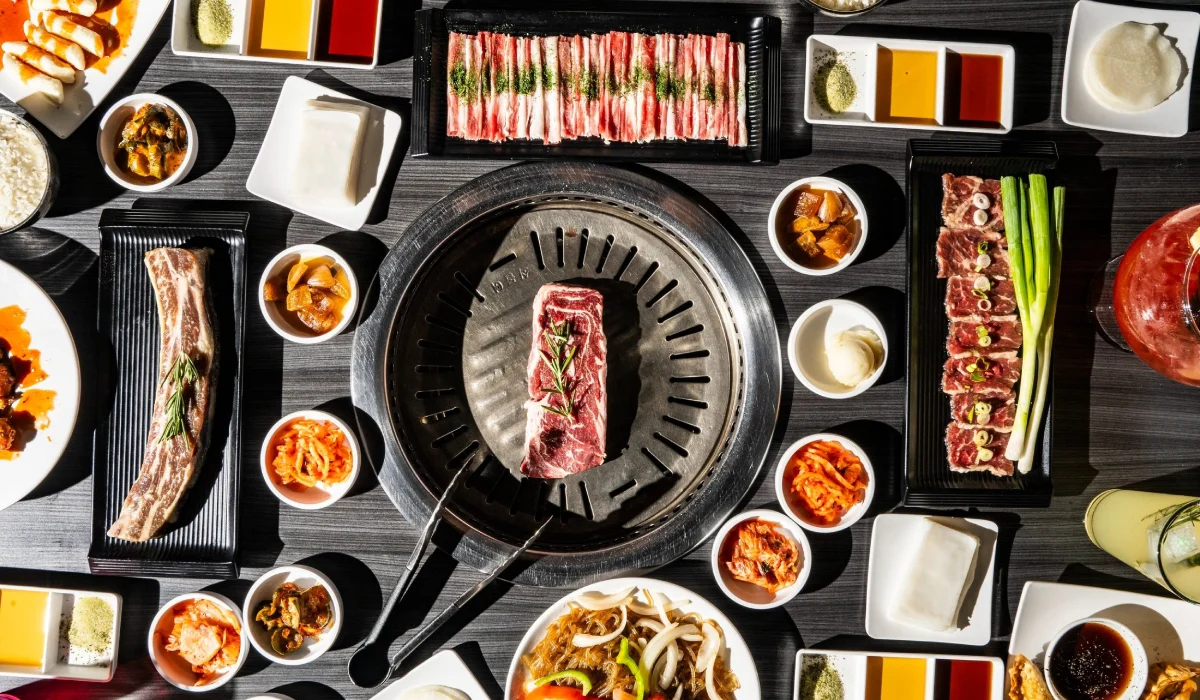
GEN Korean BBQ has announced a transformative shift in its business model, moving away from its roots as an aggressive restaurant operator to become a streamlined consumer packaged goods (CPG) entity. This strategic pivot involves the sale of nearly all its restaurant assets for up to $100 million, a 75 percent reduction in corporate overhead, and a wave of layoffs scheduled to begin in the fourth quarter of 2024. The move marks a dramatic departure for a company that, until recently, was focused on a rapid national brick-and-mortar expansion.
The cornerstone of this transition is a binding letter of intent signed in October with the Chubby Cattle Group. Under the proposed agreement, GEN will sell 47 of its U.S. restaurant locations to Chubby Cattle. This transaction is designed to offload the heavy operational and financial burdens associated with high-volume restaurant management, including labor costs, lease obligations, and site maintenance. While the definitive asset purchase agreement is still being finalized, the deal represents a total potential value of $100 million, which the company intends to use to deleverage its balance sheet and fund its entry into the retail grocery market.
A Fundamental Shift in Corporate Strategy
The restructuring is not merely a change in ownership but a complete dismantling of the infrastructure GEN built to support its previous growth trajectory. For years, the company operated with a corporate framework designed to facilitate the opening of approximately 10 new restaurants annually. With the shift to a CPG-first model, Chairman and CEO David Kim stated that this level of overhead is no longer sustainable or necessary.
During the company’s third-quarter earnings call, Kim emphasized that the "new GEN" would be a fraction of its current size. The goal is to retain only the essential functions required to maintain the brand, ensure regulatory compliance, and aggressively grow the retail business. Consequently, the company is in the process of renegotiating or terminating office leases and vendor contracts while streamlining its internal systems.
The human cost of this restructuring will be significant. While specific numbers were not disclosed, the company confirmed that layoffs will commence in the final months of the year. Some corporate roles related to restaurant support are expected to transition to Chubby Cattle as part of the asset transfer, but a substantial portion of the workforce will be eliminated. Kim’s directive to the remaining staff was clear: every role must directly contribute to the growth of the CPG division or the maintenance of corporate compliance.
Financial Performance and Mounting Pressures
The decision to pivot comes amid a challenging financial landscape for the hospitality industry, and GEN has not been immune to these pressures. The company’s Q3 financial results highlighted the urgency of the restructuring. Revenue for the quarter fell by 3.3 percent, dropping to $48.7 million from $50.4 million in the same period last year. This decline in top-line growth was accompanied by widening losses. Operating losses grew to $6 million, up from $3.7 million a year prior, while the net loss expanded to $5.5 million from $3.6 million.
Perhaps most concerning for investors was the company’s escalating debt and thinning cash reserves. By the end of September, GEN’s total outstanding debt had climbed to $26.8 million, nearly doubling from the $14.6 million reported at the end of 2025. Meanwhile, cash and cash equivalents dwindled to $2.9 million. The adjusted EBITDA reflected these struggles, moving from a $200,000 loss in the prior year to a $600,000 loss in Q3 2024.
By selling its restaurants, GEN aims to transition to a "capital-light" model. Running a nationwide chain of high-volume barbecue restaurants requires immense capital for real estate, construction, and staffing. In contrast, a CPG business allows the company to leverage third-party manufacturing partners, significantly reducing the need for direct investment in production facilities and physical storefronts.
The Evolution of the Chubby Cattle Deal
The partnership with Chubby Cattle Group is a multi-layered arrangement. Beyond the $100 million sale of the 47 restaurants, GEN will maintain a footprint in the restaurant space, albeit a much smaller one. The company plans to retain ownership of its flagship restaurant in Cerritos, California. This location will serve as a "living laboratory" for training and, more importantly, for the research and development of new CPG products.
Furthermore, GEN will keep its 49 percent ownership stake in five existing Chubby Group restaurants through a separate joint venture. This allows the company to benefit from restaurant-level profits without the administrative burden of day-to-day management. As the assets are transferred over time, GEN will continue to operate the locations until the legal and operational handovers are finalized. This phased approach is intended to ensure a smooth transition for staff and customers while providing GEN with the liquidity needed to pay down its high-interest debt.
Aggressive Retail Ambitions and CPG Roadmap
Despite the contraction of its restaurant division, GEN is projecting robust growth in the retail sector. The company is targeting an annualized CPG revenue run rate of $40 million by the end of 2027. This optimism is fueled by the early success of its frozen Korean barbecue meat products, which have already secured placement in major grocery chains across the United States.
Currently, GEN products are available in prominent retailers including Albertsons, Safeway, Vons, Stater Bros., Smart & Final, Save Mart, and Bristol Farms. The brand has also made inroads into select regions of Costco, a move that provides significant volume and brand visibility. In the third quarter alone, the company added 14 Bristol Farms locations, 55 Vallarta Supermarket stores, and Olé City Markets to its distribution network.
The strategy also extends beyond traditional grocery aisles. GEN has successfully integrated its products into university dining halls, specifically at UCLA, and has entered the live entertainment space through a partnership with SoFi Stadium in Los Angeles.
Looking ahead to 2025 and beyond, the company is preparing for a major expansion into the refrigerated, ready-to-eat meal category. Set to debut in the first or second quarter of 2025, these products will include fully cooked Korean barbecue meats and complete meal kits designed for the grocery deli and prepared-food sections. Management believes that the convenience of refrigerated, "heat-and-serve" meals could eventually surpass the revenue generated by their frozen meat line.
Potential Partnerships and Future Markets
A pivotal moment for the brand’s CPG aspirations may come through a potential partnership with Walmart. CEO David Kim revealed that the retail giant expressed interest in the brand ahead of its typical purchasing cycle. While no formal agreement has been signed, GEN is positioning itself to participate in Walmart’s retail programs by the second quarter of 2027. A partnership of this scale would provide the national distribution necessary to reach the $40 million revenue target.
In addition to land-based retail, GEN is exploring unconventional distribution channels. The company is reportedly in the final stages of negotiations with an unnamed major cruise line operator to provide Korean barbecue offerings on board. The brand also sees significant margin potential in expanding its product line to include Korean-inspired snacks, sauces, and beverages, which typically carry lower production costs and higher profit margins than raw or cooked meat products.
Industry Context and Strategic Analysis
The move by GEN Korean BBQ reflects a broader trend in the casual dining industry where brands are looking to diversify income streams to combat rising labor costs and fluctuating foot traffic. By moving into the CPG space, GEN is following in the footsteps of brands like P.F. Chang’s, California Pizza Kitchen, and Starbucks, which have successfully translated their restaurant brand equity into grocery store success.
However, the transition from hospitality to manufacturing is fraught with challenges. The grocery industry operates on razor-thin margins and requires sophisticated logistics and supply chain management. While GEN is currently using co-packers and manufacturing partners in the U.S. and South Korea to mitigate these risks, the company will need to maintain strict quality control to ensure that the "at-home" experience matches the reputation of its restaurants.
The 75 percent reduction in corporate overhead is a high-stakes gamble. By stripping away its expansion-oriented infrastructure, GEN is betting entirely on the strength of its brand and the consumer’s appetite for ethnic cuisine in the home. If the retail pivot fails to gain the expected traction, the company will have little to fall back on, having sold the very restaurants that built its name.
Conclusion and Outlook
As 2024 draws to a close, GEN Korean BBQ stands at a crossroads. The upcoming layoffs and the finalized sale to Chubby Cattle will mark the end of an era for the brand as a dominant restaurant operator. In its place, a leaner, retail-focused organization will emerge, aiming to capitalize on the growing popularity of Korean flavors in the American household.
The success of this pivot will depend on the company’s ability to navigate the complex world of retail distribution, secure a deal with a massive partner like Walmart, and manage its significant debt load using the proceeds from its asset sales. For now, the "new GEN" is a company defined by its absence of physical dining rooms and its presence in the freezer and deli aisles of the American supermarket. Whether this radical restructuring can restore the company to profitability remains the central question for its stakeholders in the coming years.