admin
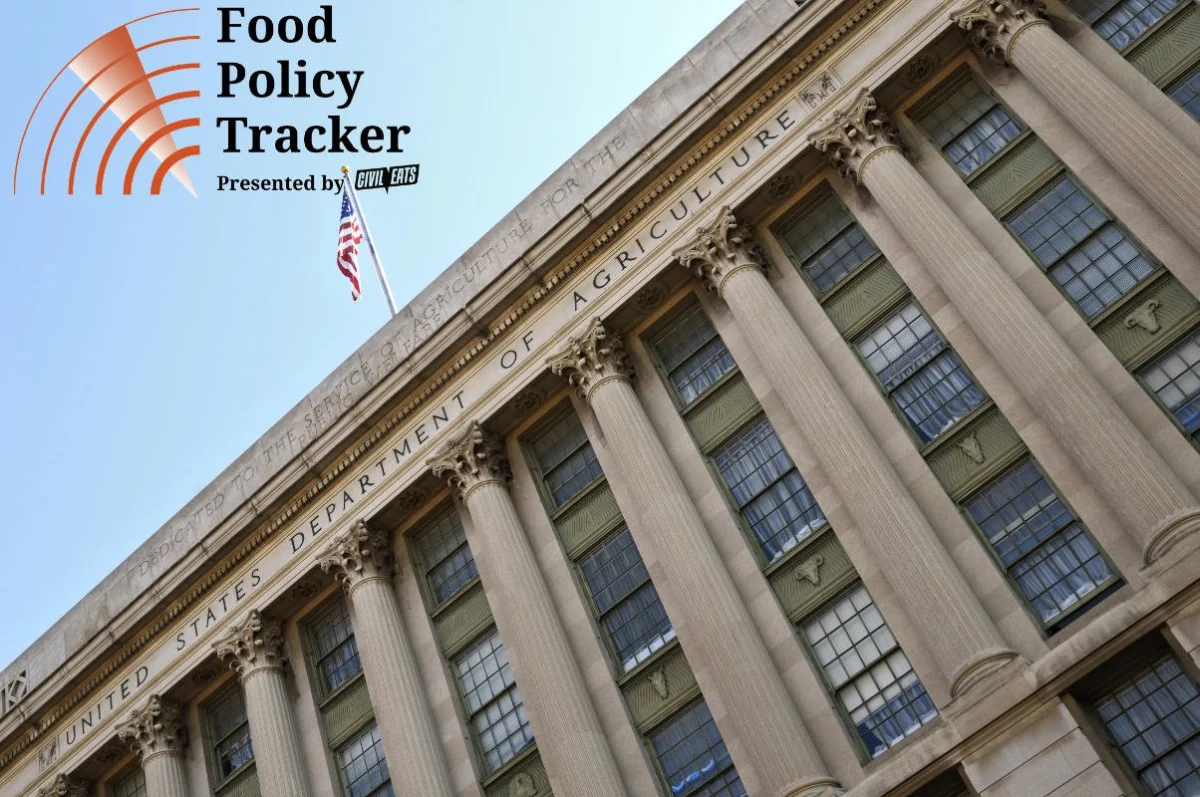
A new report released today by the independent Government Accountability Office (GAO) has critically assessed the U.S. Department of Agriculture (USDA), finding a significant lack of transparency regarding the rationale and anticipated impacts of the agency’s sweeping reorganization. The GAO’s findings indicate that both Congress and the American public have been left without sufficient information to understand the potential consequences of these profound changes, which affect service delivery, economic factors, and the stewardship of taxpayer dollars. The report highlights a glaring absence of public documents and comprehensive analyses that typically precede such large-scale governmental overhauls, raising serious questions about accountability and sound administrative practice.
The report, requested by leading Democratic members of the Senate and House agriculture committees, Senator Amy Klobuchar (D-Minnesota) and Representative Angie Craig (D-Minnesota), underscores a persistent pattern of non-disclosure from the USDA. According to GAO analysts, despite multiple direct requests, the USDA failed to provide documentation of any substantive analysis or planning conducted prior to Secretary Brooke Rollins’ July 2025 announcement of the reorganization. This omission leaves a critical void, preventing informed evaluation of the department’s strategic decisions and their far-reaching effects on the nation’s agricultural sector, food systems, and rural communities.
The GAO’s Damning Findings on Procedural Lapses
The core of the GAO’s critique centers on the USDA’s failure to adhere to standard federal practices for major agency restructuring. Government agencies undertaking significant reorganizations are typically expected to conduct a series of detailed analyses. These include, but are not limited to, economic impact assessments, strategic workforce planning, and evaluations of how changes might affect service delivery to the public. Furthermore, careful consideration is usually given to safeguarding taxpayer dollars, particularly when department assets or properties are involved in the restructuring process.
"Congress and the public do not have information on the extent to which USDA examined issues such as how the reorganization could impact service delivery, the economic effects of the reorganization, or how to safeguard taxpayers’ dollars in disposing of property through the reorganization," the GAO analysts wrote in their report. This statement is a powerful indictment, suggesting a profound disregard for the principles of good governance and public accountability. The GAO, as a non-partisan investigative arm of Congress, provides objective, fact-based findings to help Congress oversee federal spending and programs, making its findings particularly weighty. The absence of documentation, despite repeated requests in 2025 and three times in 2026, implies either a deliberate withholding of information or, more concerningly, that such critical analyses were never performed. This raises red flags not just about transparency, but about the foundational planning and due diligence expected from a federal agency of the USDA’s magnitude.
A Controversial Reorganization: A Chronology of Events

The USDA’s reorganization efforts have been mired in controversy since their inception, drawing criticism from various stakeholders including lawmakers, unions, and potentially affected employees. A timeline of events reveals a rapid and often contentious implementation process:
- July 2025: Secretary Brooke Rollins first announced the extensive reorganization of the USDA. The initial announcement was broad, hinting at significant changes to departmental structure, staffing, and locations, but offered few specifics regarding the underlying justification or detailed plans. This immediate lack of detail prompted initial questions from congressional members concerned about the potential ramifications.
- July 2025 (late): Following the announcement, USDA Deputy Secretary defended the reorganization plan, though details remained scarce, leading to continued scrutiny.
- August 2025: Lawmakers from both sides of the aisle, particularly Democrats, began formally demanding more specific information and detailed justifications for the proposed changes. Their requests highlighted concerns about the impact on critical programs and the welfare of USDA employees.
- Throughout 2026 (Early-to-Mid): The agency proceeded with reducing the size of its staff and began assigning employees to new office locations. These actions were reportedly undertaken without the public release of the analyses typically associated with such moves, intensifying concerns about the process.
- September 2026: A second lawsuit was filed against the USDA, brought by unions representing federal employees. This legal action sought to halt the reorganization, arguing that proper procedures were not followed and that employees’ rights were being undermined.
- October 2026: A judge issued a directive ordering the agency to halt its reorganization efforts pending the resolution of the lawsuit brought by the unions. This judicial intervention signaled a significant legal challenge to the USDA’s operational autonomy in implementing the changes. However, Secretary Rollins publicly suggested that the department was "undeterred" and intended to continue moving forward with reorganization steps, indicating a potential defiance of the court order and further escalating tensions.
- November 9, 2026: The GAO released its critical report, explicitly stating the lack of transparency and documentation, thereby validating many of the concerns raised by lawmakers and other parties.
This rapid sequence of events, from initial announcement to legal challenges and now a damning GAO report, paints a picture of a department pushing through significant changes with what appears to be limited public justification or internal analysis. The continuous pushback from various entities underscores the deep skepticism surrounding the reorganization’s legitimacy and potential adverse effects.
The Rationale for Transparency in Federal Operations
Transparency and rigorous planning are not mere bureaucratic hurdles; they are cornerstones of effective and accountable government. For an agency as vital as the USDA, which influences everything from food safety and nutrition programs to rural development and agricultural research, the implications of a poorly planned or opaque reorganization are profound.
Typically, major federal reorganizations involve extensive preliminary work. This includes:
- Needs Assessment: Clearly articulating the problems the reorganization aims to solve, often supported by empirical data on inefficiencies, outdated structures, or emerging challenges.
- Economic Analysis: Projecting the costs and benefits of the proposed changes, including potential savings, investment requirements, and impact on local economies if offices are relocated or closed.
- Strategic Workforce Planning: Assessing how the reorganization will affect the workforce, including staffing levels, skill sets required, training needs, and strategies for managing relocations, retirements, or reductions-in-force, all while minimizing disruption to critical functions.
- Service Delivery Impact Assessment: Evaluating how changes will affect the public, farmers, and other stakeholders who rely on USDA services. This involves ensuring continuity of essential programs, assessing potential delays, and identifying any new barriers to access.
- Stakeholder Engagement: Consulting with relevant parties, including employees, unions, congressional committees, and affected communities, to gather input and address concerns.
- Risk Management: Identifying potential risks associated with the reorganization, such as operational disruptions, legal challenges, or negative public perception, and developing mitigation strategies.
The GAO report’s finding that "USDA did not provide documentation of such analysis" is not merely an administrative detail; it implies a systemic failure to conduct these fundamental steps. Without these analyses, Congress cannot effectively exercise its oversight role, allocate resources judiciously, or ensure that the reorganization genuinely serves the public interest rather than arbitrary objectives. Moreover, the public remains in the dark, unable to hold the agency accountable for decisions that directly affect their lives and livelihoods.
Secretary Rollins’ Forceful Rebuttal

Prior to the public release of its report, the GAO provided a draft to the USDA, incorporating Secretary Rollins’ official response to the findings. Her rebuttal was notably forceful, characterized by accusations of partisan motivations and a defense of the department’s approach. Rollins accused the GAO of engaging in "veiled partisan shenanigans meant to maintain the status quo" and dismissed the report as a "politicized view" of the reorganization.
In her defense, Secretary Rollins asserted that further detailed methods of analysis, such as those typically expected, were unnecessary because the need for reorganization was "clear." She cited specific data points that, in her view, unequivocally justified the changes. These included:
- Underutilization of Office Space: Arguing that existing USDA facilities were not being used efficiently, leading to unnecessary expenditures.
- Workforce Expenses Not Supported by Budget: Suggesting that the department’s personnel costs had outstripped its allocated budget, necessitating staff reductions and structural changes to achieve fiscal sustainability.
Rollins’ response frames the reorganization as a necessary, data-driven initiative aimed at achieving greater efficiency and fiscal responsibility. She implies that the "status quo" is inherently inefficient and that resistance to the reorganization stems from a desire to maintain outdated, costly practices. However, without the detailed analyses that the GAO sought, it remains challenging for external observers to verify her claims or assess whether the proposed solutions are indeed the most effective or least disruptive. Her characterization of the GAO’s findings as "politicized" also raises questions about the administration’s willingness to engage constructively with independent oversight bodies, potentially undermining trust in government processes.
Congressional Scrutiny and Bipartisan Concerns
The demands for transparency from Senator Amy Klobuchar and Representative Angie Craig highlight the significant concern among lawmakers regarding the USDA’s actions. Both Klobuchar, a senior member of the Senate Agriculture, Nutrition, and Forestry Committee, and Craig, who serves on the House Agriculture Committee, represent states with significant agricultural interests and rural populations heavily reliant on USDA programs. Their requests for the GAO report underscore their commitment to ensuring that the USDA operates effectively and accountably for the benefit of their constituents and the nation.
While the immediate demands for the GAO report came from Democrats, the initial concerns following the July 2025 announcement were described as coming from "lawmakers on both sides of the aisle." This suggests that the issues of transparency and due process in a federal reorganization transcend typical partisan divides. The integrity of government operations, the responsible use of taxpayer money, and the effective delivery of crucial services are universal concerns. A lack of transparency can erode public trust and make it difficult for Congress to fulfill its constitutional duty of oversight, regardless of which party is in power. The GAO’s role as an independent watchdog is particularly crucial in such scenarios, providing objective information to Congress to inform legislative action and policy debates. The report serves as a critical tool for lawmakers seeking to understand the rationale, process, and potential impact of the USDA’s reorganization, and to hold the agency accountable for its decisions.
Broader Implications: Service Delivery, Economic Impact, and Workforce Morale

The absence of documented analyses for a reorganization of the USDA’s scale carries profound implications across multiple domains:
- Impact on Service Delivery: The USDA administers vital programs ranging from crop insurance and farm loans to food assistance (SNAP), school lunches, and food safety inspections. A reorganization executed without careful planning could lead to significant disruptions in these services. Farmers might experience delays in receiving critical subsidies or disaster aid. Vulnerable populations could face interruptions in food assistance. Food businesses might encounter challenges with inspections and regulatory compliance. Without an assessment of how changes in staffing or location affect service points, the risk of diminished effectiveness and accessibility for millions of Americans is substantial.
- Economic Effects: Reorganizations, especially those involving office consolidations or relocations, have measurable economic impacts. Shifting USDA offices from one location to another, for instance, can affect local economies, particularly in rural areas where federal facilities often serve as significant employers. The closure of offices or reduction of staff in specific regions can lead to job losses, reduced local spending, and a decline in tax revenue. Conversely, new locations might see an economic boost, but without a transparent economic analysis, these decisions appear arbitrary and potentially detrimental to communities. Furthermore, if the reorganization leads to inefficiencies, the overall economic cost to the agricultural sector could be immense, impacting everything from commodity prices to global competitiveness. The GAO’s concern about "safeguarding taxpayers’ dollars in disposing of property" also points to potential mismanagement of federal assets, which could result in financial losses for the public.
- Workforce Morale and Retention: The process of reorganization, particularly when it involves staff reductions and mandatory relocations, can severely impact employee morale. Federal employees, many of whom are long-serving experts in their fields, face uncertainty about their jobs, careers, and personal lives. A lack of transparency and clear communication about the rationale and future plans can foster anxiety, resentment, and a sense of betrayal. This can lead to a "brain drain" as experienced personnel choose to retire early or seek employment elsewhere, leaving the agency with a deficit of institutional knowledge and expertise. Such an exodus can cripple the agency’s ability to perform its mission effectively, regardless of the new organizational structure. The lawsuits brought by unions underscore the deep dissatisfaction and concern among the USDA workforce.
The Path Forward: Calls for Accountability
The GAO report is likely to intensify the pressure on Secretary Rollins and the USDA to provide the detailed justifications and analyses that have thus far been withheld. Congress, now armed with an independent assessment, is in a stronger position to demand accountability. This could manifest in several ways:
- Further Congressional Hearings: Lawmakers may call for additional hearings to question USDA officials directly on the reorganization plans and the absence of documentation.
- Legislative Action: Congress could explore legislative measures to mandate specific transparency and planning requirements for future agency reorganizations, or even to pause the current USDA efforts through legislative means, though this is often a difficult path.
- Budgetary Oversight: As appropriators, Congress holds the power of the purse. The lack of transparency could influence future budget allocations for the USDA, with lawmakers potentially earmarking funds contingent on greater accountability.
- Continued Legal Scrutiny: The ongoing lawsuits from unions will likely gain further momentum from the GAO’s findings, potentially strengthening their case against the agency.
The integrity of federal government operations hinges on transparency, robust planning, and accountability to both Congress and the public. The USDA’s reorganization, as illuminated by the GAO report, serves as a stark reminder of these fundamental principles. The coming months will undoubtedly see continued debate and scrutiny as stakeholders demand answers and seek to ensure that one of the nation’s most vital agencies is managed with the diligence and transparency the American public deserves. The long-term implications of this controversy could reshape how future administrations approach agency restructuring, emphasizing the critical role of independent oversight in a functioning democracy.