admin
Washington D.C., November 9, 2026 – New federal regulations governing the stocking standards for stores accepting Supplemental Nutrition Assistance Program (SNAP) benefits officially took effect last week, ushering in a new era of compliance requirements for food retailers across the nation. While proponents argue the updated rules aim to enhance access to nutritious foods for millions of low-income Americans, the implementation has been met with significant apprehension and calls for delay from a diverse coalition of small grocers, convenience store operators, and farmers’ market advocates who fear unintended consequences for their businesses and the communities they serve.
The U.S. Department of Agriculture (USDA) published the final rule in May, mandating that SNAP-authorized retailers significantly expand their inventory of staple foods. Specifically, stores must now double the amount of foods offered, ensuring a minimum of seven varieties of items across the protein, grains, dairy, and produce categories. This directive represents a substantial shift from previous requirements, designed to broaden the availability of healthier options for the over 41 million Americans who rely on SNAP benefits to put food on their tables. The USDA’s rationale centers on improving the dietary quality of SNAP participants and combating food insecurity in underserved areas by ensuring that eligible retailers offer a more comprehensive selection of essential, nutritious foods.
However, the path to implementation has been fraught with challenges and vocal opposition, primarily from smaller retail establishments. These businesses, often operating with limited space and financial resources, contend that the new standards pose an existential threat, potentially forcing them to either undertake costly inventory overhauls or risk losing their authorization to accept SNAP benefits, a crucial revenue stream for many and a vital lifeline for their customers.
The Evolution of SNAP Retailer Standards: A Background
The Supplemental Nutrition Assistance Program, formerly known as food stamps, is the cornerstone of federal food assistance in the United States. Its primary objective is to alleviate hunger and malnutrition by providing low-income individuals and families with financial assistance to purchase food. To ensure the integrity and effectiveness of the program, the USDA establishes eligibility criteria for retailers wishing to accept SNAP benefits. These criteria typically cover aspects such as the types of food sold, the volume of staple foods stocked, and the proportion of sales derived from eligible food items.
Historically, stocking standards have aimed to differentiate legitimate food retailers from those primarily selling non-food items, ensuring that SNAP benefits are used for their intended purpose. Over the years, there have been various attempts to refine these standards, often driven by a desire to promote healthier eating habits among SNAP beneficiaries. The current update is the latest iteration of this ongoing effort, reflecting a broader societal push towards improving public health outcomes through dietary interventions.
The specific impetus for the latest rule change stems from a desire to address concerns that some SNAP-authorized stores, particularly smaller convenience stores, offer a limited selection of healthy staple foods, leaving beneficiaries with fewer nutritious choices. By increasing the variety and quantity of required items, the USDA aims to ensure that SNAP participants have access to a more balanced array of foods, including fresh produce, whole grains, and lean proteins, regardless of where they shop.
A Timeline of Mounting Concerns and Pleas for Delay
The journey from the rule’s publication to its implementation has been marked by a rising chorus of concerns from various stakeholders:
- May 2026: The U.S. Department of Agriculture officially publishes the final rule updating SNAP stocking standards. While the intent is to foster healthier food environments, the detailed requirements immediately raise questions within the retail sector.
- August 2026: Over 200 convenience stores, through their industry associations, formally write to the USDA. Their letter urgently requests a six-month delay in the rule’s implementation. They cite significant operational challenges, including limited storage space, the financial burden of increased inventory, and the need for clearer guidance on compliance. Many small retailers, particularly those in urban areas, operate on razor-thin margins and have limited capacity for substantial infrastructure changes.
- September 2026: The concerns gain traction at the federal level as several Senate Republicans echo the call for a compliance deadline extension. They emphasize the potential negative impact on small businesses and the administrative complexities involved in adapting to the new regulations within the given timeframe. Their intervention signals a growing bipartisan awareness of the rule’s potential disruptions.
- October 2026 (Recent Weeks): High-profile local leaders join the fray. New York City Mayor Zohran Mamdani, representing a city with an estimated 10,000 bodegas and corner stores, becomes a prominent voice against the immediate implementation. He highlights the specific predicament of these urban staples, many of which are integral to their neighborhoods’ food ecosystems but possess minimal space. Mamdani warns that without flexibility, thousands of these vital stores could lose their SNAP authorization, creating new food deserts and exacerbating food access issues for vulnerable populations.
- Late October/Early November 2026 (Even More Recently): The scope of concern widens dramatically to include farmers’ markets. Advocacy groups, led by the National Sustainable Agriculture Coalition (NSAC), realize that many farmers’ markets, previously thought to be exempt or operating under different criteria, might also fall under the purview of the new stocking standards. In a strongly worded letter to the USDA, NSAC and allied organizations express alarm over the lack of clarity regarding how the rule applies to the unique operational model of farmers’ markets and the potential for severe disruption to local food systems.
- November 4, 2026: On the very day the rule takes effect, the USDA issues "guidance" for farmers’ markets. This guidance clarifies that "most" markets would fall under Criterion B, making them exempt from the new stocking standards. However, as NSAC policy specialist Hannah Quigley points out, this guidance fails to address the crucial concerns of markets classified under Criterion A, which are required to comply, nor does it provide clear notification mechanisms or grace periods.
Detailed Impact and Stakeholder Reactions
Small Grocers and Convenience Stores:
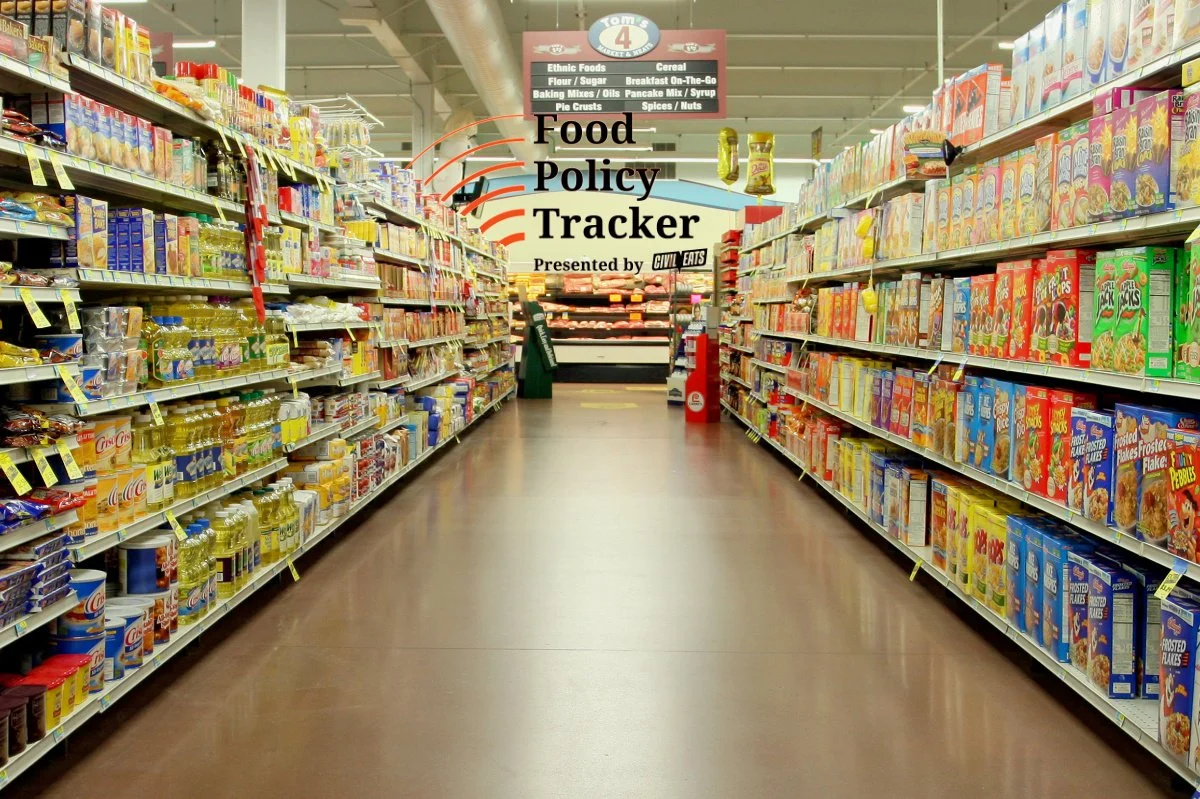
For the vast majority of "big-box" grocery chains, the new rule presents little challenge. Their extensive inventories and expansive retail footprints already allow them to comfortably meet or exceed the new requirements. The burden, however, falls squarely on smaller independent grocers, bodegas, and convenience stores. These retailers are often crucial access points for food in urban and rural areas, particularly for low-income residents who may lack transportation to larger supermarkets.
The call from over 200 convenience stores for a six-month delay underscores the operational realities. Small stores typically manage inventory on a just-in-time basis due to limited storage space and capital. Doubling the amount of food offered, and ensuring seven varieties across multiple categories, requires not only physical space but also significant financial investment in purchasing, shelving, and maintaining a larger, more diverse stock. This includes perishable items like fresh produce and dairy, which have specific handling and storage requirements. The fear is that compliance costs will be prohibitive, leading many to either cease accepting SNAP or, in the worst-case scenario, go out of business entirely. Such an outcome would disproportionately affect communities that rely on these local stores for daily necessities and, paradoxically, could diminish, rather than enhance, access to food.
Farmers’ Markets:
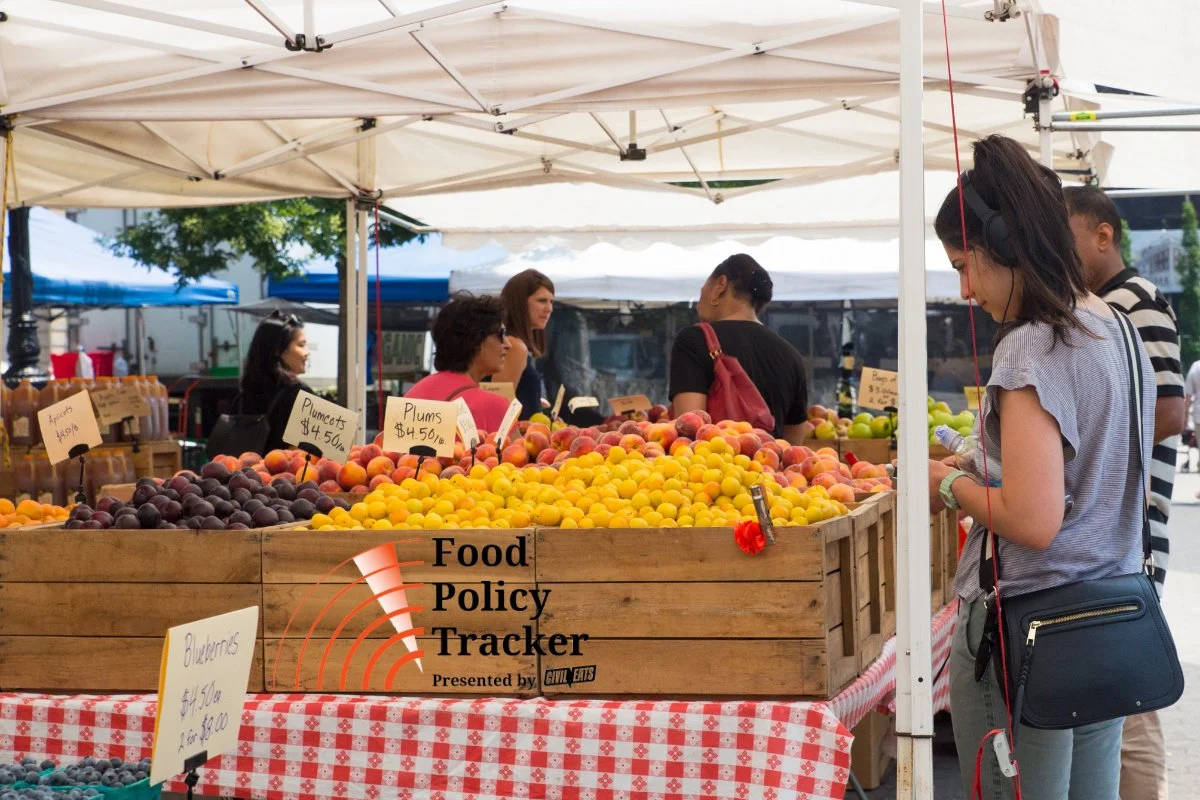
The belated realization that farmers’ markets could be subject to the new standards has ignited a separate but equally urgent wave of concern. Hannah Quigley of NSAC elucidated the core issue: the classification system for SNAP retailers. Retailers are categorized as either Criterion A or Criterion B based on their sales and stocking of staple foods. While most farmers’ markets historically fall under Criterion B, which does not require adherence to the new standards, a significant number, such as the 47 markets identified in Wisconsin and others in Louisiana, are designated Criterion A.
These Criterion A markets face unique and formidable challenges in meeting the new requirements. Farmers’ markets operate on a fundamentally different model than traditional grocery stores. They are often seasonal, rely on local agricultural offerings, and their inventory is dictated by what individual farmers can produce and bring to market. For example, a market in a state like Louisiana with a limited number of dairies would struggle immensely to meet a stringent dairy stocking standard, let alone the required seven varieties. Similarly, markets in rural areas with fewer vendors might find it impossible to consistently offer the breadth of items mandated by the rule.
The lack of clear communication and notification from the USDA regarding these classifications has compounded the problem. Many market managers and farmers are unaware of their specific designation or the compliance implications. NSAC’s request for a full count of Criterion A markets underscores this informational gap. Furthermore, the absence of a grace period means that markets suddenly deemed non-compliant could face immediate loss of SNAP authorization, severing a vital connection between local farmers and low-income consumers who benefit from access to fresh, often organic, produce. State programs that double SNAP benefits at farmers’ markets, designed to incentivize healthy eating and support local agriculture, would also be undermined.
The USDA’s Position and the Unanswered Questions:
While the USDA’s stated goal of improving access to healthy foods for SNAP beneficiaries is widely supported, critics argue that the implementation strategy has overlooked critical operational realities and failed to adequately engage with smaller stakeholders. The guidance issued on November 4th, the day the rule took effect, while reassuring some farmers’ markets, left many fundamental questions unanswered. It did not clarify how Criterion A markets would be notified, what compliance assistance would be available, or if any flexibility would be granted to prevent immediate loss of authorization.
The underlying tension lies in applying a "blanket rule" to a highly diverse retail landscape. What works for a national supermarket chain often proves unworkable for a family-owned bodega or a community-run farmers’ market. Critics contend that the USDA’s approach risks penalizing the very small businesses that often serve as the only source of food in underserved communities, inadvertently creating new food deserts and reducing, rather than increasing, food access.
Broader Impact and Implications
The implementation of these new SNAP stocking standards carries significant implications across several sectors:
- Food Equity and Access: The primary stated goal of the rule is to improve food access and dietary quality. However, if small retailers and farmers’ markets are forced out of the SNAP program, it could paradoxically lead to reduced access to food, particularly fresh and healthy options, for vulnerable populations who rely on these local outlets. This is especially true in urban food deserts and rural areas where larger supermarkets are scarce.
- Small Business Viability: For thousands of small businesses, SNAP authorization represents a significant portion of their revenue. Losing this authorization or incurring substantial costs to comply could severely impact their economic viability, leading to job losses and a reduction in local economic activity. This adds another layer of pressure to small businesses already grappling with rising operational costs and intense competition.
- Local Food Systems: Farmers’ markets are integral to local food economies, providing direct income for farmers and connecting consumers with fresh, seasonal produce. Disruption to their ability to accept SNAP could hurt both farmers and low-income consumers, undermining efforts to build more resilient and equitable food systems. It could also diminish the incentive for farmers to grow diverse crops if market access becomes more challenging.
- Administrative Burden and Communication: The rollout of the rule has highlighted a significant gap in communication and administrative support for smaller retailers. The lack of clear, proactive guidance and sufficient lead time has created confusion and anxiety, suggesting a need for more robust engagement and tailored support from federal agencies when implementing broad regulatory changes.
- Future of Food Policy: This episode underscores the complex interplay between public health objectives, economic realities, and regulatory design. It raises questions about how federal food policies can achieve their goals without inadvertently harming essential components of the food retail landscape, particularly those serving the most vulnerable. The outcome of this implementation will likely shape future debates on food assistance programs and retail regulation.
As the new standards take hold, the full scope of their impact remains to be seen. The coming months will be critical for observing how retailers adapt, how communities are affected, and whether the USDA will address the lingering concerns with further clarification, flexibility, or even a reevaluation of certain aspects of the rule. The stakes are high, not only for the thousands of small businesses striving to comply but, more importantly, for the millions of Americans whose access to nutritious food hinges on the effective and equitable administration of the nation’s most vital food assistance program.