admin
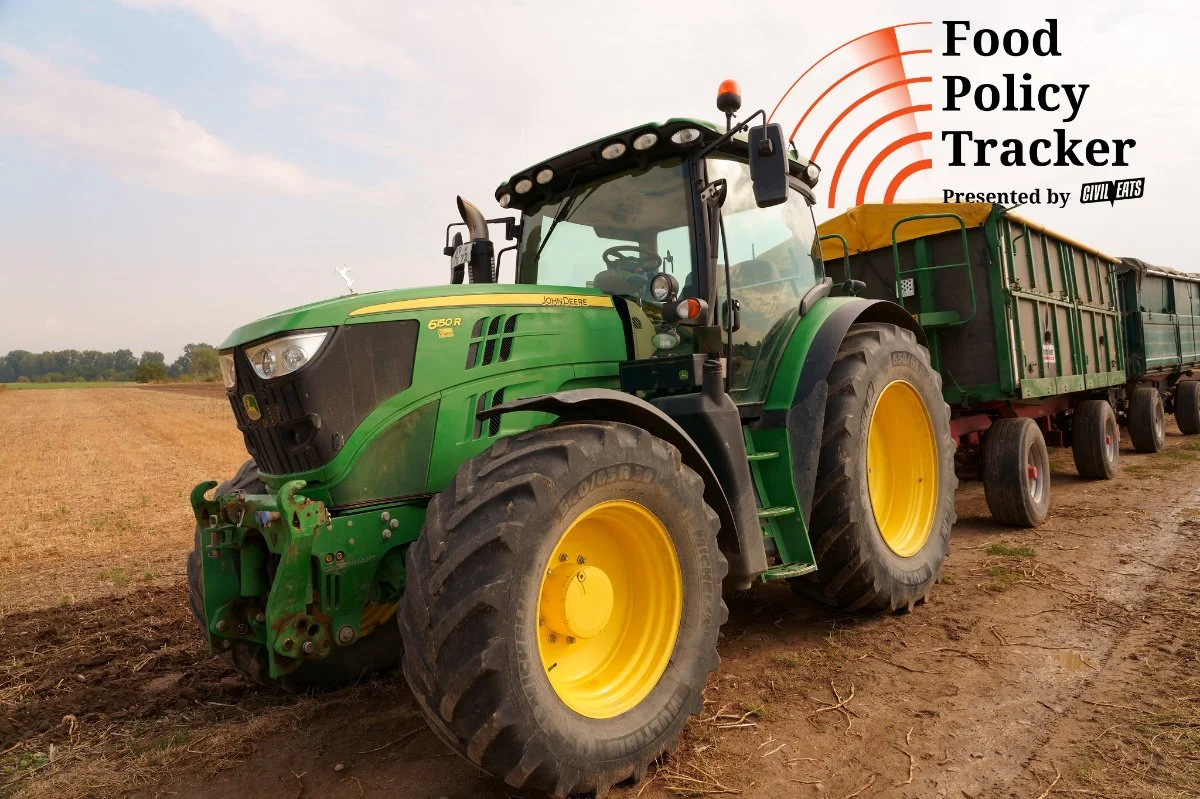
In a pivotal campaign rally held last night in Kansas, President Donald Trump unveiled an $8 billion diesel fuel relief program, designed to provide direct financial assistance to farmers grappling with escalating operational costs. The announcement, made on October 20, 2026, comes at a critical juncture for the Republican party, as it navigates challenging political headwinds ahead of the November midterm elections, with the ongoing conflict in Iran continuing to exert significant upward pressure on global energy prices and, consequently, domestic fuel costs.
The Harvest Fuel Relief Program: A Detailed Overview
The newly announced initiative, dubbed the Harvest Fuel Relief Program, is set to be administered by the U.S. Department of Agriculture (USDA). Its primary objective is to mitigate the financial strain on the nation’s agricultural sector, which has seen profit margins squeezed by an unprecedented surge in diesel fuel expenses. The funding mechanism for this substantial aid package will be the Commodity Credit Corporation (CCC), an internal bank within the USDA traditionally used to stabilize farm income and prices.
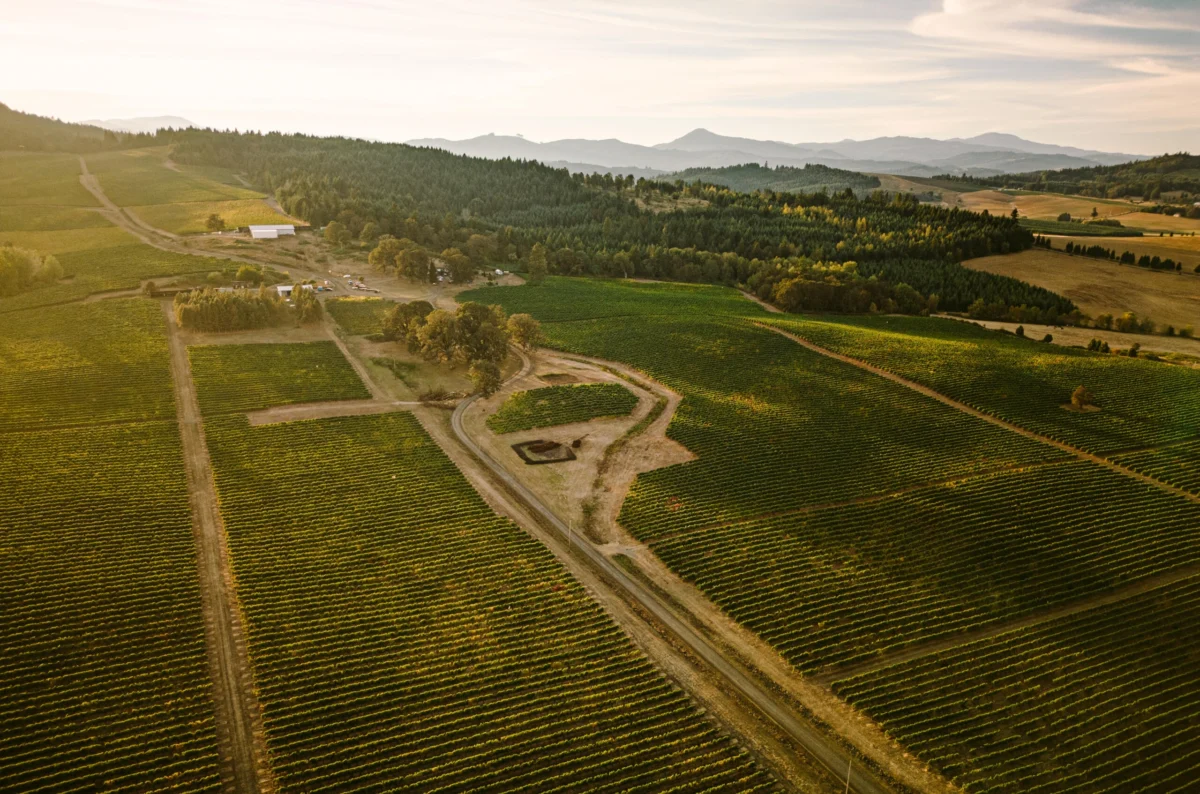
According to a press release issued by the USDA on October 19, the initial phase of the program will prioritize commodity farmers, specifically those cultivating staple crops such as soybeans and corn. These farmers are already integrated into existing payment structures through the federal farm bill, streamlining the distribution process. Growers of specialty crops, encompassing a wide array of fruits, vegetables, and nuts, will also be eligible for payments, though their inclusion is slated for "a later date," a detail that has drawn both cautious optimism and lingering questions from various agricultural advocacy groups. The total allocation of $8 billion underscores the perceived urgency of the situation, reflecting a significant federal intervention into agricultural economics.
Soaring Diesel Prices: A National Crisis for Farmers
The urgency behind the Harvest Fuel Relief Program is directly attributable to the dramatic escalation in diesel fuel prices over the past year. Data compiled by the American Farm Bureau Federation (AFBF), a leading voice for agricultural producers, paints a stark picture of the economic burden faced by farmers. Since September 2025, the average price per gallon of farm diesel has surged from approximately $3.01 to a staggering $5.61. This nearly 86% increase translates into substantial additional costs for farming operations, particularly during peak seasons like the fall harvest when heavy machinery, including tractors, combines, and irrigation pumps, are in constant use.
For many farms, this price hike means thousands, if not tens of thousands, of extra dollars spent on fuel during a single harvest season. These unforeseen expenditures directly erode profitability, threaten solvency for smaller operations, and can lead to difficult decisions regarding planting schedules, equipment maintenance, and even labor. The ripple effect extends beyond the farm gate, potentially impacting food supply chains and ultimately contributing to higher consumer prices for a wide range of agricultural products. The AFBF and the National Farmers Union (NFU) have both issued urgent warnings, describing the situation as "crushing" for farmers, highlighting the unsustainability of current operational costs without external relief.
Geopolitical Tensions: The Shadow of the Iran War
President Trump, in his address to the Kansas rally attendees, explicitly acknowledged the causal link between the ongoing conflict in Iran and the elevated fuel prices. "As soon as that war ends, you’re going to see a plunge" in costs, he asserted, emphasizing the abundance of oil and diesel available globally once geopolitical stability is restored. The conflict has significantly disrupted global energy markets, leading to supply anxieties, increased shipping costs, and speculative trading that collectively drive up crude oil prices. Since diesel fuel is a direct derivative of crude oil, these international tensions translate rapidly and directly into higher prices at the pump for farmers and consumers alike.
The war in Iran, which has been a recurring theme in global economic discussions, has imposed a severe "war tax" on industries reliant on fossil fuels. For agriculture, this tax is particularly acute, given its heavy dependence on diesel for nearly every aspect of production, from tilling and planting to harvesting and transporting goods to market. The President’s remarks underscored his administration’s view that the current economic strain is largely an external shock, though critics point to broader domestic energy policies and corporate consolidation as contributing factors.
Political Strategy: The Road to the Midterms
The announcement of the Harvest Fuel Relief Program is not merely an economic intervention; it is also a calculated political maneuver in the lead-up to the crucial November midterm elections. Republicans are facing significant challenges in maintaining their majorities, and the economic discontent stemming from high inflation and fuel costs presents a substantial vulnerability. Kansas, a historically Republican stronghold, is home to a tightly contested Senate race, where incumbent Senator Roger Marshall (R-Kansas) is fighting for reelection against his Democratic challenger, Adam Hamilton.
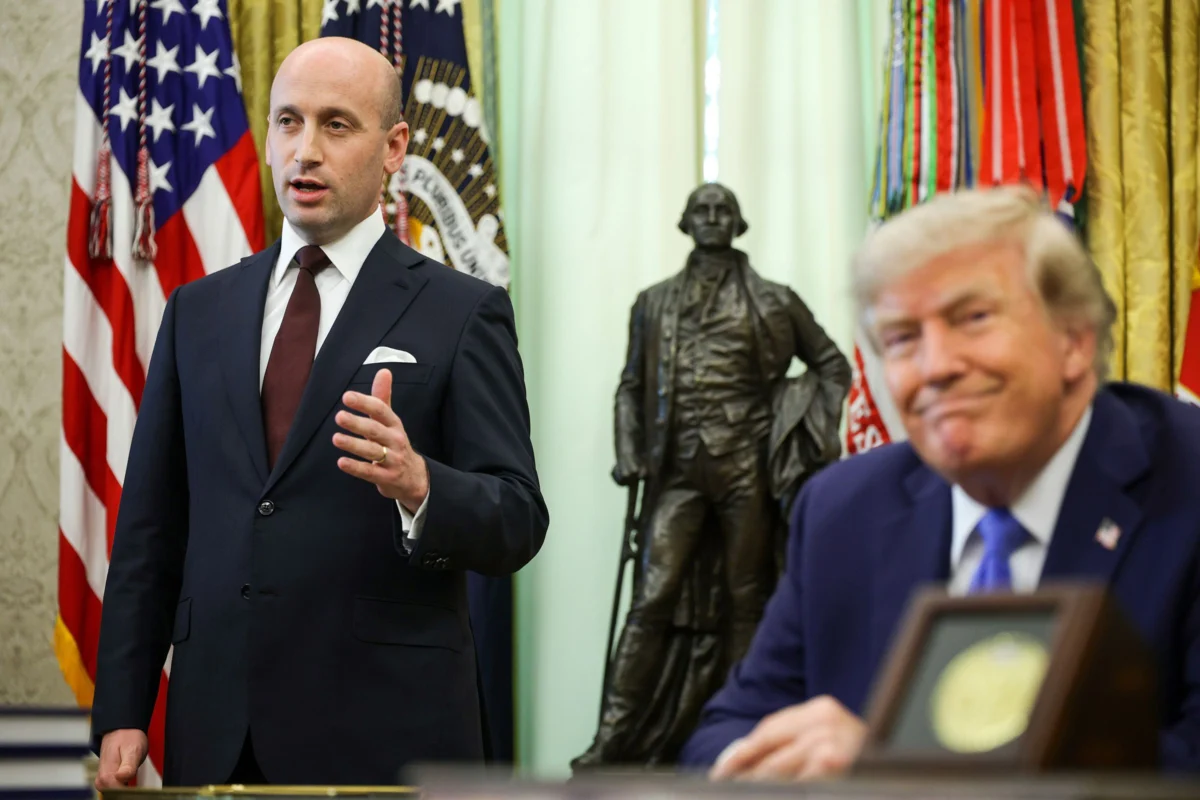
President Trump’s appearance in Kansas was explicitly to bolster Senator Marshall’s campaign, and he strategically tied the new relief program directly to the senator’s efforts. "Roger Marshall was the leader who fought for that to happen," Trump declared, seeking to credit Marshall with the program’s existence and thus provide a tangible benefit for voters to consider at the polls. He further incentivized Republican support by promising, "When Republicans win, we will pass even more funding for our farmers." This direct linkage of federal aid to partisan success highlights the high stakes of the upcoming elections and the administration’s reliance on agricultural support. The agricultural vote, particularly in states like Kansas, remains a powerful bloc, and securing their favor through direct economic relief is a proven campaign strategy.
A History of Agricultural Bailouts: Precedent and Criticism
The $8 billion Harvest Fuel Relief Program is the latest in a series of substantial federal aid packages directed towards the agricultural sector during the Trump administration. Earlier this year, the USDA disbursed $12 billion in economic relief to farms, and during his first term, a colossal $28 billion was provided. These previous interventions, often framed as responses to trade disputes or other economic hardships, established a pattern of direct payments designed to shore up farm incomes.
However, these large-scale bailouts have not been without controversy. Analyses of past distributions, including those conducted by organizations like the Environmental Working Group (EWG) and reported by outlets such as Reuters, have consistently shown a disproportionate allocation of funds. Typically, the largest 10 percent of farms receive roughly half of the total funding, raising questions about equity and whether the aid truly reaches the most vulnerable family farmers. Critics argue that this system often benefits large-scale industrial operations more than smaller, diversified farms. Compounding this concern, the administration has simultaneously faced accusations of slashing funding for programs specifically designed to support small farms and local food systems, leading to a perceived imbalance in agricultural policy priorities.
The Debate Over Long-Term Solutions: Ethanol and Systemic Reform
Beyond immediate relief, there is a growing chorus of voices advocating for more sustainable, long-term solutions to the structural issues plaguing the farm economy and contributing to its vulnerability to price shocks. The National Farmers Union (NFU), for instance, has been vocal in calling for policies that promote the use of fuels with higher ethanol content, specifically E15. E15, a blend of 15% ethanol and 85% gasoline, offers a domestic, renewable alternative that could reduce reliance on fossil fuels and provide a stable market for corn farmers, thereby addressing both energy independence and agricultural stability.
President Trump expressed support for making E15 year-round permanent, a policy that currently requires Congressional approval. However, his support came with a political caveat, again tied to the Kansas Senate race. "With Roger Marshall in the Senate, we’ll make E15 year-round permanent, but if Adam Hamilton is in," he stated, referring to Marshall’s Democratic opponent, "I’m not doing it." This conditional endorsement underscores the highly politicized nature of agricultural policy, where critical decisions affecting farmers and the environment become bargaining chips in electoral contests.
The push for E15 also reflects a broader desire within the agricultural community to diversify fuel sources and reduce the sector’s exposure to volatile global oil markets. Proponents argue that such measures would provide a more resilient and predictable economic environment for farmers, moving away from a cycle of ad-hoc emergency aid that critics contend is a symptom of a failing farm safety net.
Reactions and Implications: A Mixed Bag for the Agricultural Sector
The announcement of the Harvest Fuel Relief Program has elicited a range of reactions from agricultural stakeholders and policy analysts. Rob Larew, President of the National Farmers Union, acknowledged that the new program would undoubtedly provide some relief to certain farmers. However, he also expressed reservations, particularly regarding the delayed eligibility for specialty-crop growers, and pointed out that the losses being addressed were "largely foreseeable." Larew’s statement articulated a broader concern: "The need for repeated emergency aid is a clear sign that the farm safety net is failing family farmers. We need to provide long-term certainty and investment in diversifying our fuel sources with renewable options, not a cycle of ad hoc relief."
Similarly, Sarah Carden, Senior Director of Research and Policy at Farm Action, echoed these sentiments, characterizing the latest fuel relief program as a "short-term fix to a systemic problem." Carden’s critique focused on the administration’s perceived reluctance to address foundational issues within the agricultural economy. "Instead of addressing the policies and corporate power driving up costs and squeezing farm incomes, the administration continues to rely on taxpayer dollars to keep farmers afloat," she stated. Carden argued for a more proactive approach: "The administration should stop celebrating record farm bailouts and start fixing the broken agricultural economy that makes them necessary."
The implications of this program are far-reaching. Economically, while it offers immediate respite, it raises questions about market distortions and the long-term viability of a system heavily reliant on federal subsidies rather than robust market mechanisms. Politically, it showcases the administration’s strategy to leverage federal resources to shore up support in key constituencies during a challenging election cycle. For the agricultural sector itself, it highlights the ongoing tension between the necessity of immediate relief in times of crisis and the urgent need for comprehensive, sustainable policy reforms that can insulate farmers from future shocks and foster a more equitable and resilient food system. The debate over whether such programs address symptoms or causes will undoubtedly continue to shape agricultural policy discussions for years to come.