admin
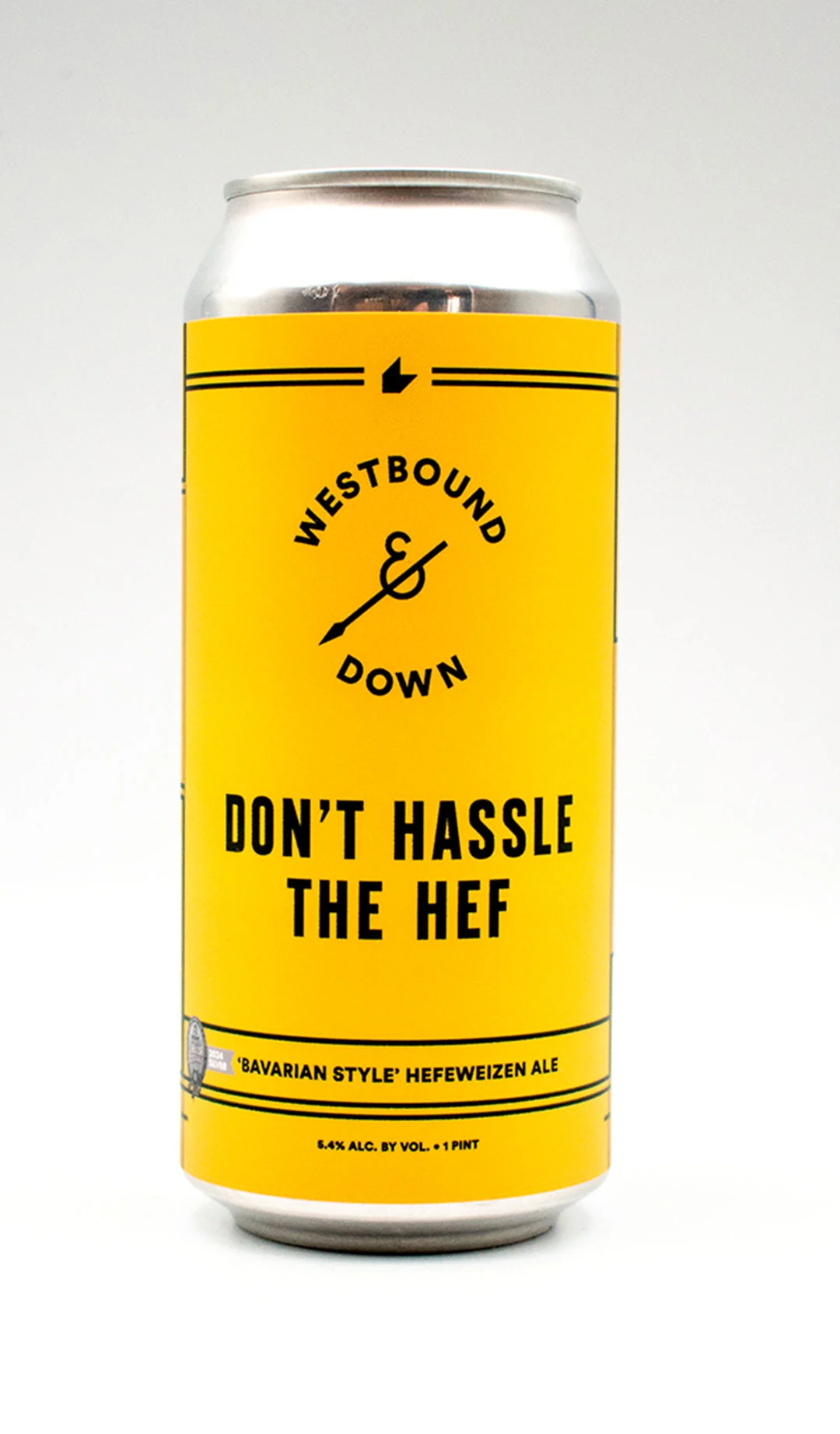
When the founders of DankHouse Brewing in Newark, Ohio, prepared to showcase their work at the prestigious Juicy Brews IPA festival in February 2020, they faced a technical crisis that would lead to an unconventional grocery store raid. Josh and Heather Lange, who opened their brewery in 2017, had built a following for Banana Peel’d, a hazy IPA that utilized banana purée to complement its tropical hop profile. However, just days before shipping their kegs to Pittsburgh, the couple found the flavor profile underwhelming. The aseptic purée they typically used was unavailable for overnight shipping, and their experiments with blending fresh store-bought bananas resulted in unappetizing brown oxidation. Even dried banana chips failed to provide the necessary aromatic punch.
The solution came from an unlikely source: an analysis of their preferred purée’s ingredient list revealed it was virtually identical to Gerber banana baby food. This realization prompted a "scooping party" fueled by jars sourced from every grocery store within a 40-mile radius of Columbus. At the festival, as DankHouse served their baby-food-infused IPA just booths away from industry titans like The Alchemist, the moment highlighted a broader truth in the craft beer world: achieving a consistent, high-quality banana character is one of the most complex challenges a modern brewer faces.
The Historical and Chemical Foundation of Banana Aromas
To understand why brewers go to such lengths for banana flavor, one must look at the historical divergence of the fruit itself. A century ago, the global banana market was dominated by the Gros Michel, or "Big Mike," cultivar. This variety was rich in isoamyl acetate, a fruity ester that provides the pungent, sweet aroma commonly associated with banana-flavored candies like Runts or Laffy Taffy. When a fungal outbreak known as Panama disease decimated Gros Michel populations in the 1950s, the industry pivoted to the Cavendish banana. While more resistant to disease, the Cavendish contains significantly lower levels of isoamyl acetate, creating a sensory gap between "real" bananas and the "banana flavor" established in the public consciousness.
In the brewing process, isoamyl acetate is a naturally occurring byproduct of fermentation. While it is considered an "off-flavor" in many crisp lagers—though notably present in Coors Banquet due to its specific cold-fermentation profile—it is the defining characteristic of the German Hefeweizen. Derek Goodman, head brewer at Westbound & Down Brewing in Colorado, notes that a proper Hefeweizen should smell less like a fresh Cavendish and more like the concentrated aroma of a crushed banana Runt.
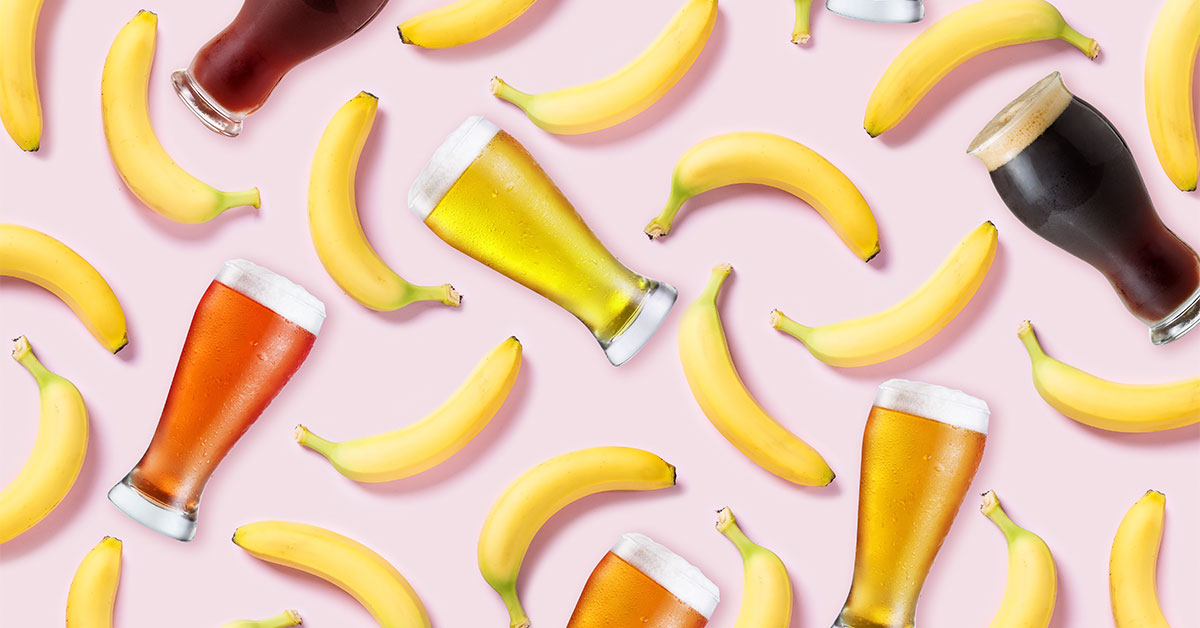
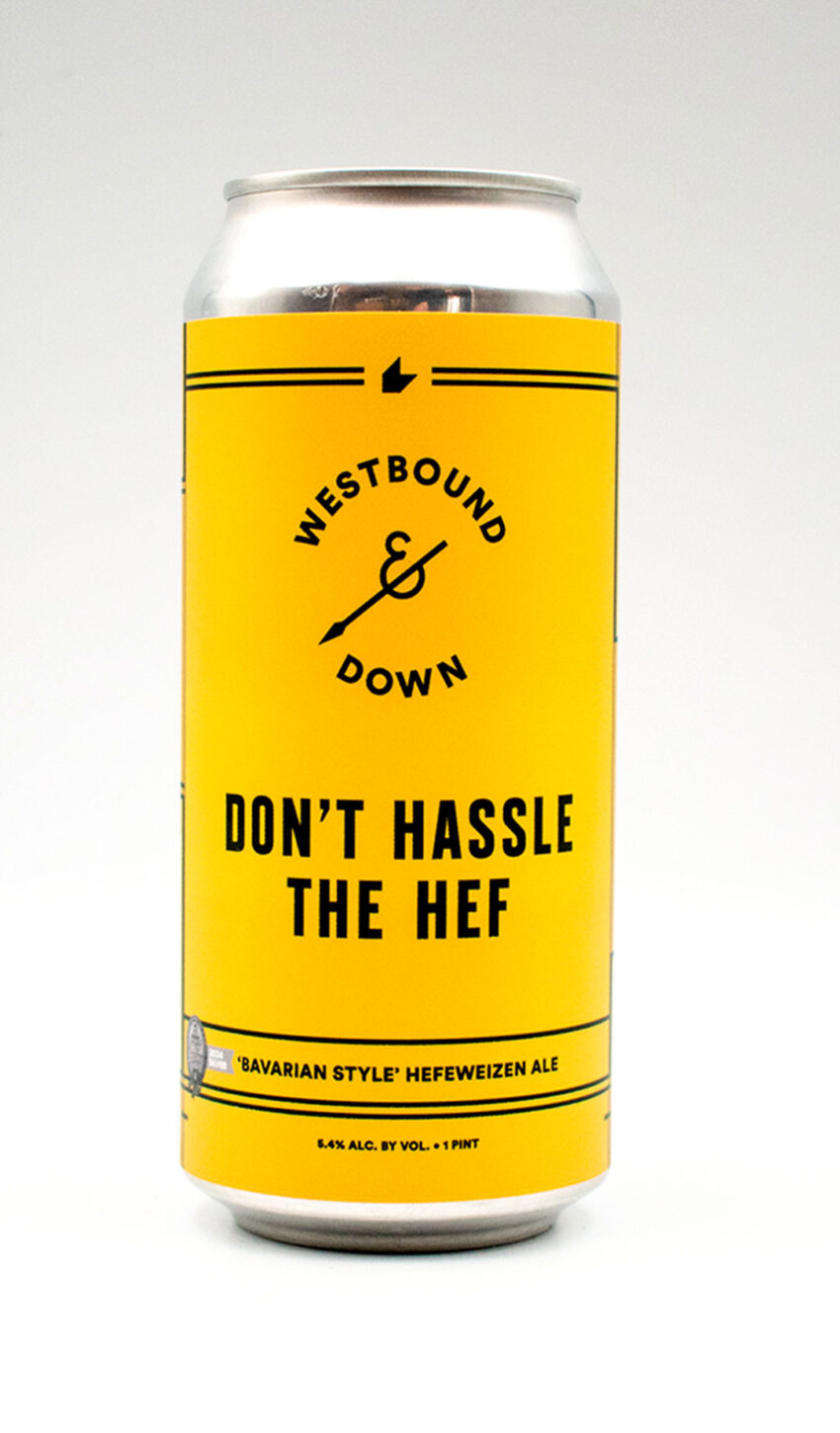
Achieving this through yeast alone requires a delicate and often "stressful" management of the biological environment. To produce the award-winning "Don’t Hassle the Hef," Goodman employs a technique known as under-pitching, where he introduces only about one-third of the recommended yeast cells into the wort. This forces the yeast to reproduce rapidly and aggressively to consume the available sugars, a process of metabolic stress that yields high concentrations of fruity esters and orange-like aromatics.
Regulatory Shifts and the Formalization of Fruit Brewing
For years, the use of bananas in commercial brewing was hampered by significant administrative hurdles. Until late 2023, the Alcohol and Tobacco Tax and Trade Bureau (TTB) did not classify bananas as a "traditional" brewing ingredient, unlike malted grains, hops, or water. This classification meant that any brewery wishing to sell a banana-infused beer across state lines was required to submit a formal formula exemption.
This regulatory burden often deterred smaller breweries from experimenting with the fruit. However, following a series of petitions and a broader move to modernize alcohol labeling, the TTB expanded its list of exempt ingredients to include bananas. This shift has facilitated a surge in experimentation, allowing brewers to treat the fruit with the same creative freedom as citrus or berries. This deregulation coincides with a measurable uptick in consumer interest; Jeff Mello of Nashville-based yeast suppliers Bootleg Biology reports that Hefeweizen yeast strains have risen to become their second-best-selling product, trailing only the ubiquitous hazy IPA strains.
The Rise of the "Pastry" Movement and Technical Hurdles
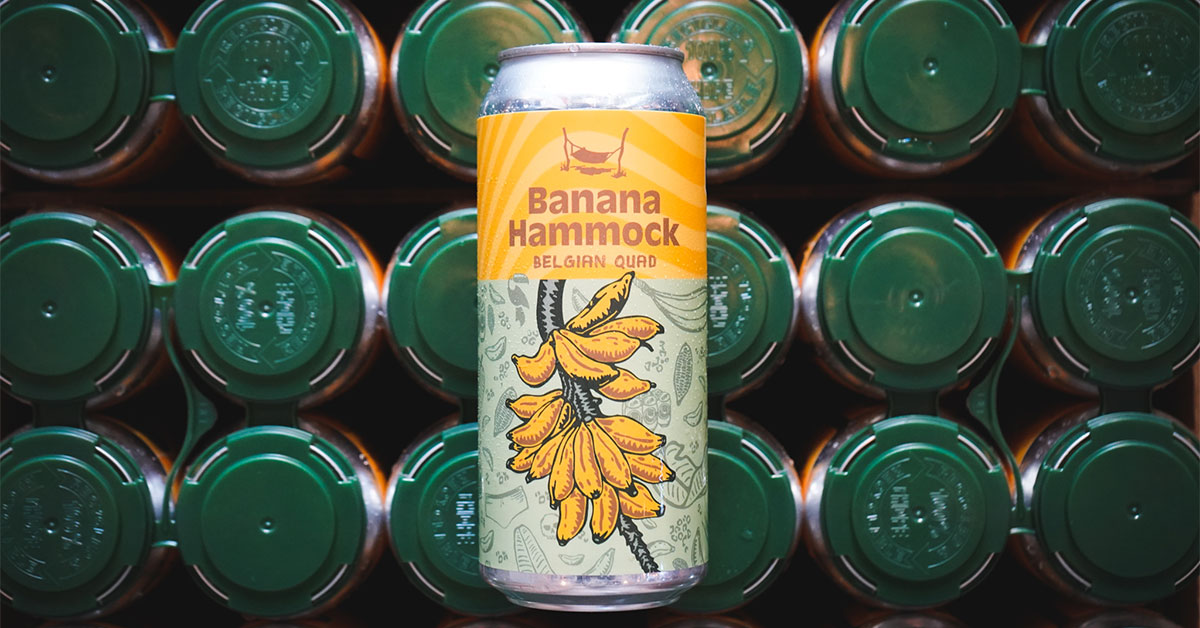
While traditional styles rely on yeast metabolism for banana notes, the modern "pastry stout" and "smoothie sour" movements demand the intensity of the fruit itself. Breweries like WeldWerks Brewing and Crooked Hammock Brewery have pioneered beers that evoke desserts, such as chocolate banana puddings or Belgian-style quadrupels with cocoa nibs.
The technical challenge here shifts from yeast stress to sugar management. Larry Horwitz, director of brewing operations at Crooked Hammock, describes the "Cheetos dilemma" of yeast: if provided with the simple sugars found in banana purée during primary fermentation, the yeast may become "lazy," ignoring the more complex malt sugars and failing to complete the fermentation process. To avoid this, brewers often add banana products post-fermentation.
Furthermore, bananas are notorious for producing sulfurous off-flavors and creating a thick, viscous texture that can be polarizing for consumers. Nick Panchamé, president of HOMES Brewery and the Smooj hard smoothie brand, notes that while banana adds a desirable residual sweetness and body, its impact on the beer’s "mouthfeel" requires careful calibration to avoid alienating drinkers who are sensitive to thicker liquids.
The "Grand Cru" of Ingredients: Wild Thai Bananas
As the market for high-gravity, barrel-aged stouts has matured, a premium ingredient has emerged as the gold standard for banana flavor: the dried wild Thai banana. Rodrick Markus, CEO of Rare Tea Cellar in Chicago, began importing these fructose-rich fruits over a decade ago. While they were originally intended for culinary use in granolas and syrups, craft breweries like Other Half and Evil Twin discovered that these bananas provided a concentrated, jam-like flavor without the water content or oxidation risks of fresh fruit.
During the height of the COVID-19 pandemic, these dried bananas became a lifeline for specialty importers. Markus noted that even as restaurant orders plummeted, wholesale orders from breweries remained robust, with some weeks seeing 1,000 pounds of Thai bananas shipped to satisfy the demand for pastry stouts.
However, this premium quality comes with a significant price tag. Matt Tarpey, co-founder of The Veil Brewing in Richmond, Virginia, explains that to achieve the "crazy banana character" consumers expect in beers like Sky Summoner, brewers must use upwards of 10 pounds of dried fruit per barrel. At prices exceeding $50 per pound—compounded by a 35% tariff on Thai imports—the cost of ingredients alone can reach thousands of dollars per batch. Tarpey admits that these beers are often a "labor of love" rather than high-margin products, with the brewery barely breaking even on the most extravagant releases.
Broader Implications for the Craft Industry
The evolution of banana-infused beer reflects a larger trend toward culinary-inspired brewing and the breaking of traditional stylistic boundaries. What began as a desperate search for baby food in an Ohio grocery store has evolved into a sophisticated global supply chain involving high-end dried fruits and advanced yeast management.
The success of these beers also points to a shifting consumer palate that values nostalgia and recognizable flavor profiles. Whether through the scientific manipulation of isoamyl acetate in a German-style wheat beer or the expensive infusion of Thai fruit in a 15% ABV imperial stout, the goal remains the same: to capture a flavor that is both familiar and elusive.
As the TTB continues to relax restrictions and yeast laboratories develop even more specialized strains, the "banana moment" in craft beer appears to be more than a passing trend. It represents a maturation of the industry, where brewers are increasingly willing to balance the high costs of premium ingredients and the risks of technical failure to deliver the specific, intense sensory experiences that modern craft drinkers demand. From the humble brew kettle in Newark to the barrel-aging warehouses of Virginia, the banana has firmly established itself as a versatile, if demanding, staple of the American craft brewing landscape.