admin
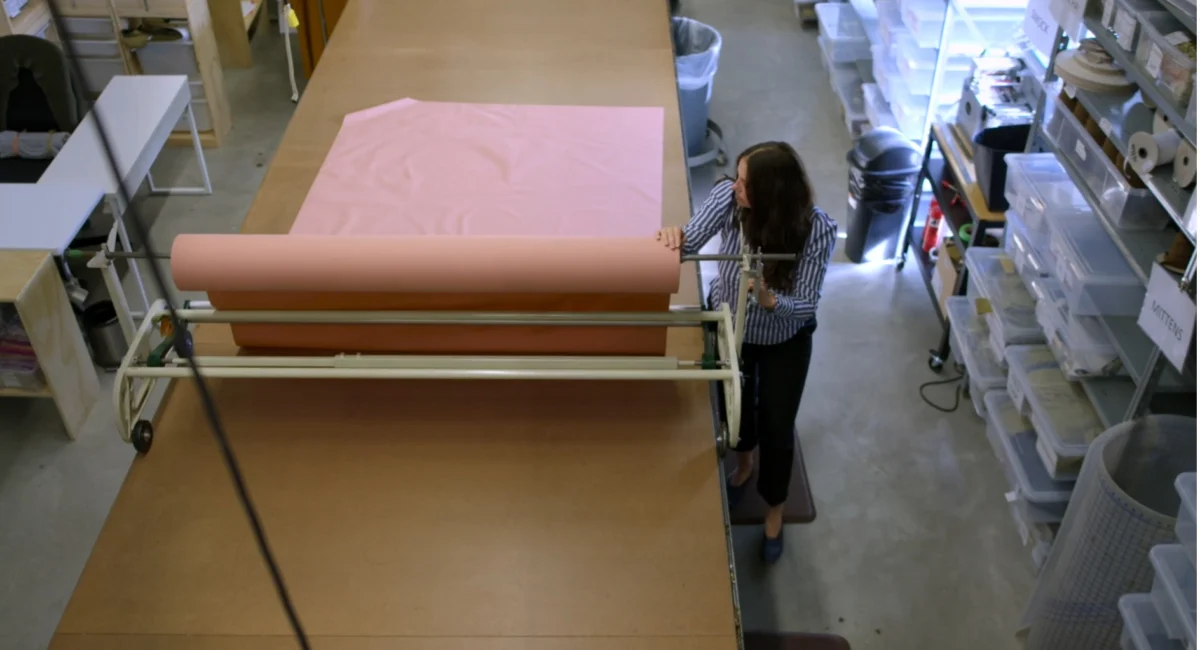
A Halifax-area clothing brand, Fairechild, finds itself at the forefront of the economic repercussions stemming from persistent trade friction between Canada and the United States, compelling a significant overhaul of its operational strategies. The Dartmouth, Nova Scotia-based company, renowned for its sustainable outerwear crafted from recycled plastic bottles, has made the difficult decision to cease direct shipments to its substantial U.S. customer base following an onslaught of unexpected and financially crippling brokerage charges. This development underscores the precarious position of small and medium-sized enterprises (SMEs) navigating a complex and often unpredictable international trade landscape.
The Immediate Crisis: Unforeseen Financial Burdens
Fairechild, a small-batch operation that meticulously handcrafts all its garments in its Dartmouth studio, has cultivated a loyal following, with CEO Tabitha Osler estimating that approximately half of the company’s clientele resides in the United States. This vital market, however, has become increasingly untenable due to escalating costs. Osler detailed the abrupt and severe financial hit the company absorbed, stating, "We actually had to stop shipping to the States in August because we had been shipping to them using the rules that we felt were eligible on our type of product. And then just receiving all of these chargebacks of brokerage to us, probably $10,000 at least in the span of about two to three months, which we just had to absorb."
These "chargebacks" represent a critical challenge for small businesses. Brokerage fees are levied by customs brokers who facilitate the clearance of goods across international borders, handling paperwork, duties, and taxes. While these fees are a standard part of international trade, unexpected increases or disputes over their application can severely impact a company’s bottom line, particularly for businesses operating on tight margins. Osler emphasized the sudden complexity, noting, "We’ve had a pause [shipping to the United States] and we’ve been trying to figure out a way to collect duties more clearly, but also getting preferential origin for our product. So it’s been very complex, much more complex than it had been previously." The intricacies of determining "preferential origin" under trade agreements like the United States-Mexico-Canada Agreement (USMCA) can be particularly daunting for SMEs lacking dedicated trade compliance departments. Incorrect classification or insufficient documentation can lead to retroactive duties, penalties, and, as in Fairechild’s case, substantial brokerage chargebacks.

A Domino Effect on Global Operations
The decision to halt U.S. shipments has not been an isolated challenge; it has triggered a cascade of complications across Fairechild’s broader international operations. Previously, the company strategically utilized the U.S. as a transit point for exports to other global markets, a practice that significantly mitigated shipping expenses. "We used to ship items through the U.S. to export elsewhere, which made shipping costs much more manageable," Osler explained. With that route now closed off, sending products directly to European customers has become considerably more expensive, adding another layer of financial strain and logistical complexity. "It’s just been a domino effect. And not something anyone can really do anything about, but you just start to question when it will end and how we’ll recover," she lamented, encapsulating the pervasive uncertainty facing many Canadian exporters.
In response to these mounting pressures, Fairechild has implemented a temporary slowdown in production. This strategic adjustment aims to manage inventory levels and conserve capital while the company re-evaluates its supply chain and market reach. The company is also reportedly exploring support from a federal government program, which could offer some respite and guidance in navigating the current downturn. Such programs typically provide financial assistance, export advice, or market development resources for Canadian businesses facing trade-related challenges.
Pivoting to Resilience: Seeking Domestic and New International Markets

In a testament to entrepreneurial resilience, Fairechild is actively pursuing a multi-pronged strategy to adapt and thrive in this challenging environment. A primary focus is shifting towards strengthening its domestic supply chain and expanding its Canadian customer base. This involves actively seeking out Canadian suppliers for raw materials and components, reducing reliance on international inputs, and potentially bolstering the local economy. Simultaneously, Fairechild is exploring new international markets beyond its traditional U.S. and European footholds, identifying regions with more favorable trade agreements or less volatile customs regulations. This pivot highlights a broader trend among Canadian businesses looking to diversify their export portfolios to mitigate risks associated with over-reliance on a single, albeit major, trading partner.
The Broader Context: Canada-U.S. Trade Tensions and the USMCA
Fairechild’s predicament is not an isolated incident but rather a microcosm of the persistent trade tensions that have characterized Canada-U.S. relations in recent years. While the original article refers to an "ongoing trade war," it’s important to contextualize this within the broader landscape that intensified during the Trump administration and continues to present complexities. Disputes over steel and aluminum tariffs, dairy quotas, and softwood lumber have created a climate of unpredictability, even if not directly impacting apparel in all instances. The renegotiation of NAFTA into the USMCA (United States-Mexico-Canada Agreement), which came into effect on July 1, 2020, was intended to modernize and streamline North American trade. However, its implementation has introduced new rules of origin and administrative requirements that have proven challenging for many businesses, particularly SMEs.
The USMCA’s rules of origin are designed to ensure that goods benefiting from preferential tariff treatment genuinely originate from North America. For apparel, this often involves specific requirements regarding where fabric is woven, cut, and sewn. A company like Fairechild, using German-sourced fabric but manufacturing in Canada, might face difficulties proving "North American origin" sufficiently to avoid duties when exporting to the U.S., despite the Canadian value-add. This complexity, coupled with varying interpretations by customs agencies and brokers, can lead to the very "chargebacks" Fairechild experienced. The lack of clear, consistent guidance or the retroactive application of new interpretations can severely destabilize a company’s financial planning.

Industry-Wide Repercussions: A Threat to Canadian Manufacturing
Fairechild’s struggles resonate deeply within the broader Canadian apparel manufacturing sector. Bob Kirke, Executive Director of the Canadian Apparel Federation, articulated the industry’s pervasive concern, stating, "They’ll make it in China, they’ll make it in Portugal. They’ll make it in Italy, anywhere, because all those countries have much lower duties for many goods. This is absurd." Kirke’s comments underscore a critical erosion of competitiveness for Canadian manufacturers. When domestic production faces higher trade barriers and unpredictable costs compared to international alternatives, the incentive to maintain or expand manufacturing operations within Canada diminishes significantly. This outsourcing trend, driven by global trade dynamics, poses a direct threat to Canadian jobs, skilled labor, and the development of a robust domestic industrial base.
The Canadian Apparel Federation advocates for policy changes that would level the playing field, allowing Canadian-made goods to compete more effectively in international markets. This often includes calls for simplified customs procedures, clearer rules of origin, and governmental support for businesses navigating complex trade agreements. Without such interventions, the economic viability of small-batch, high-quality manufacturers like Fairechild becomes increasingly tenuous.
Economic Implications and Local Impact

The challenges faced by Fairechild have broader economic implications, particularly for Nova Scotia and the Atlantic Canadian region. Supporting local manufacturing and sustainable businesses is crucial for economic diversification and job creation. When companies like Fairechild are forced to slow production or cut off key markets, it directly impacts local employment, supplier networks, and the region’s overall economic vibrancy. The company’s commitment to sustainable practices, utilizing recycled materials, also aligns with global environmental goals. If trade barriers disproportionately affect such innovative businesses, it could inadvertently hinder the growth of the green economy within Canada.
Furthermore, the "domino effect" described by Osler illustrates how seemingly localized trade disputes can ripple through an entire supply chain and export network. Increased shipping costs to Europe, for example, could make Canadian products less competitive there, leading to reduced sales and potentially fewer opportunities for Canadian companies to expand their international footprint. This highlights the interconnectedness of global trade and the sensitivity of export-oriented businesses to policy shifts and administrative hurdles.
The Future of Canadian Manufacturing: A Call for Resilience and Support
Tabitha Osler’s poignant reflection, "I feel like a dinosaur in the industry, like the last remaining dinosaur in Canada just marching along manufacturing here," serves as a stark reminder of the challenges confronting domestic manufacturers. Her plea, "But yeah, let’s keep us alive," is a powerful call to action for both policymakers and consumers. It emphasizes the need for robust governmental support mechanisms, streamlined trade policies, and an increased appreciation for Canadian-made products.

The narrative of Fairechild is not just one of struggle but also of adaptability and determination. Their pivot towards seeking Canadian suppliers and exploring new markets demonstrates the entrepreneurial spirit essential for survival in a volatile global economy. However, the long-term viability of such businesses ultimately depends on a more stable and predictable trade environment, coupled with strategic support from both federal and provincial governments. This includes clearer communication regarding customs regulations, proactive engagement in trade dispute resolution, and targeted programs designed to help SMEs navigate the complexities of international commerce.
As Canada continues to redefine its place in the global economy, the experiences of companies like Fairechild will be crucial in shaping future trade policies. Ensuring that innovative, sustainable, and domestically focused businesses can thrive, rather than merely survive, will be vital for Canada’s economic resilience and its ability to compete on the international stage. The story of Fairechild underscores the urgent need for a cohesive national strategy that champions Canadian manufacturing, fosters export growth, and protects local businesses from the unpredictable currents of global trade.