admin
The global retail landscape is currently witnessing a significant paradigm shift as consumers increasingly pivot away from mass-market accumulation in favor of intentional, high-quality acquisitions. This movement, often categorized under the umbrella of minimalism or "essentialism," has fundamentally altered the gifting economy. For the modern minimalist, the value of an object is no longer measured by its size or price tag, but by its utility, the longevity of its materials, and its ability to integrate seamlessly into a clutter-free environment. This shift is driving a new standard in product design where "less" must be executed with significantly more precision.
The Rise of Intentional Consumerism and Market Trends
Recent market data suggests that the "Buy It For Life" (BIFL) movement is gaining substantial traction among Millennial and Gen Z demographics. According to industry reports on consumer behavior, approximately 64% of shoppers now prioritize durability and timeless design over trendy aesthetics. This trend is particularly evident in the home goods sector, where the demand for multifunctional and ethically sourced products has seen a 15% year-over-year increase. Minimalism is no longer merely an aesthetic choice; it is a financial and environmental strategy.
For gift-givers, this presents a unique challenge. Shopping for a minimalist requires a departure from traditional "stocking stuffer" mentalities. The objective is to identify items that serve a distinct purpose while offering an elevated sensory experience—whether through the tactile quality of European flax linen or the architectural silhouette of a matte-black electric kettle.
A Chronology of Minimalist Design Evolution
To understand the current state of minimalist gifting, one must look at the historical trajectory of the movement. Minimalism in design traces its roots back to the De Stijl movement of the 1910s and the Bauhaus school of the 1920s, which championed the "form follows function" mantra. By the 1960s, artists like Donald Judd and Dan Flavin stripped away all metaphorical meaning, focusing strictly on the object’s physical presence.
In the 21st century, this philosophy has evolved into "Warm Minimalism," a blend of the stark lines of the past with the organic textures of the present. This evolution is reflected in the current market, where industrial materials like concrete and steel are paired with recycled paper, organic cotton, and handcrafted ceramics. The following curated selections represent the pinnacle of this design evolution, offering practical solutions for the home that double as sculptural art.

Culinary and Kitchen Innovations: Form Meeting Function
The kitchen is often the most cluttered room in the home, making it a primary target for minimalist intervention. Design-forward appliances and serving ware are now being engineered to remain on the countertop rather than being hidden in cabinets.
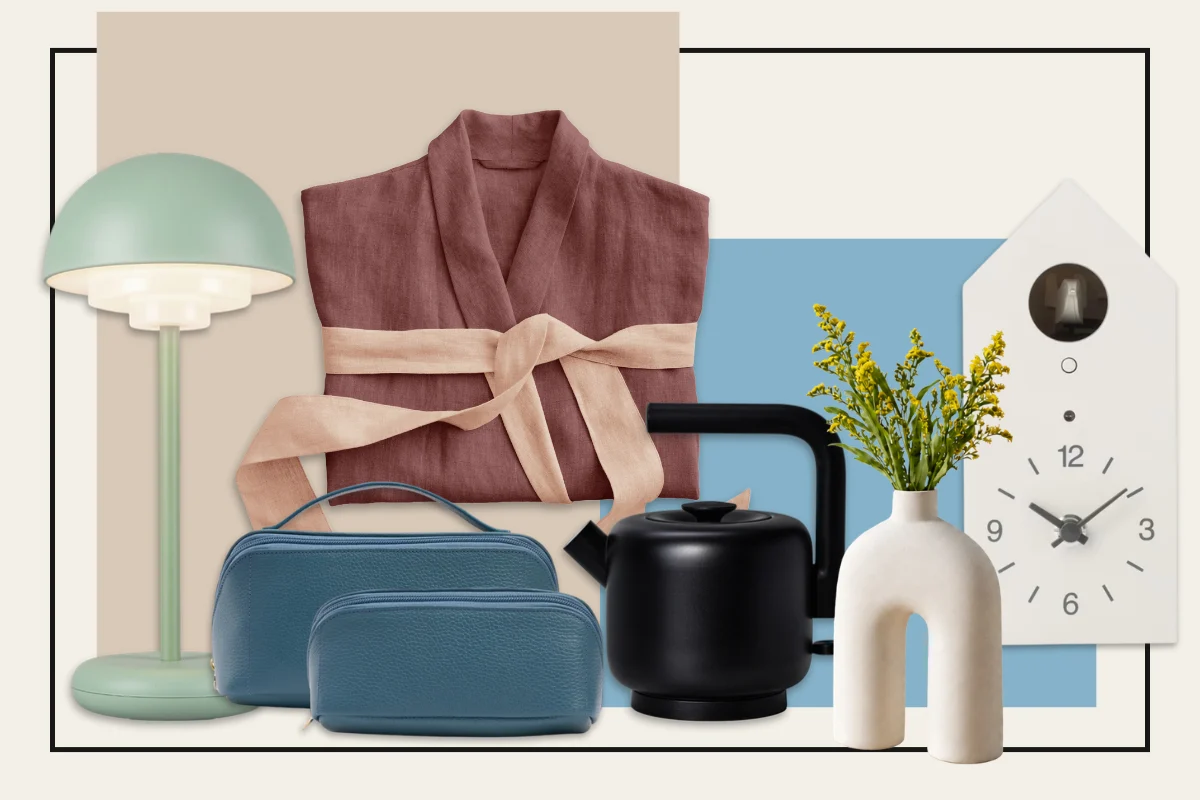
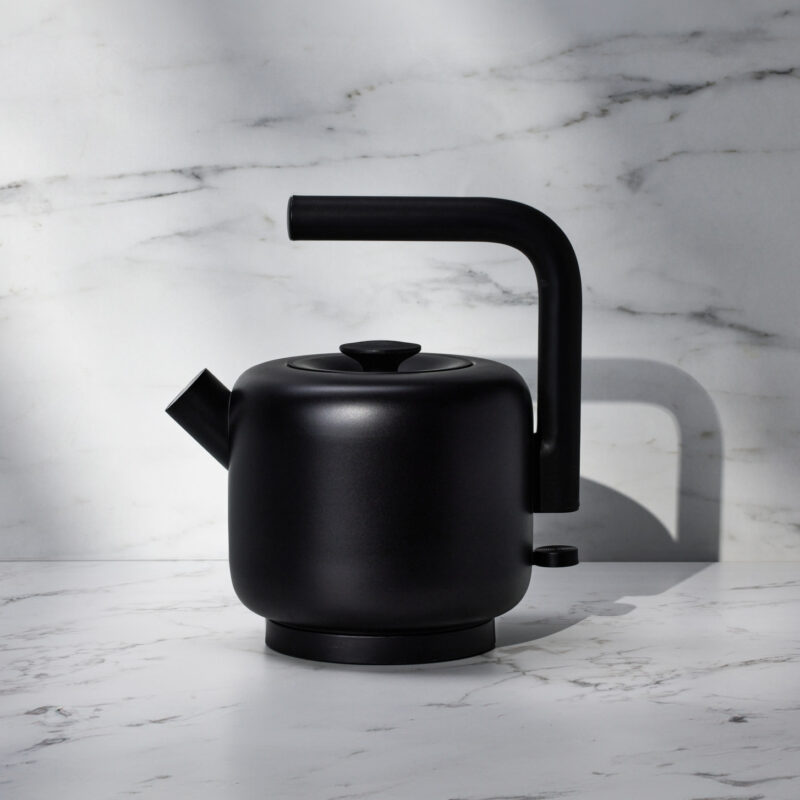
The Fellow Clyde Electric Kettle ($99.95) exemplifies this trend. Featuring a 1.5-liter capacity and a rounded, matte-black silhouette, the Clyde replaces the visual noise of traditional kettles with a singular, bold form. Its straightforward LED operation reflects a broader industry move toward "calm technology"—devices that perform their tasks without unnecessary digital complexity.

Similarly, the transition toward artisanal serving pieces is seen in the Our Place Serving Platters ($37.99). These stoneware pieces utilize a stackable design to minimize storage footprint, while hand-painted rims provide a human element to a geometric form. For smaller kitchen tasks, the Cove Home Brass Mini Trivets ($59) offer a masterclass in material honesty. Handcrafted in India, these four-inch squares use hammered brass to protect surfaces, proving that even the most utilitarian tools can possess a "jewelry-like" quality for the home.
Sculptural Home Accents and Atmospheric Design
In a minimalist home, every object must justify the space it occupies. This has led to the rise of "functional sculpture"—items that serve a purpose while acting as focal points of a room’s decor.

The Muji Cuckoo Clock ($79.90) is a prime example of Japanese minimalist refinement. By stripping away the ornate woodwork of the Black Forest tradition and replacing it with a stark white house-shaped silhouette, Muji has modernized a classic timepiece. The inclusion of a light sensor to ensure nighttime silence demonstrates a commitment to the "quiet home" philosophy.
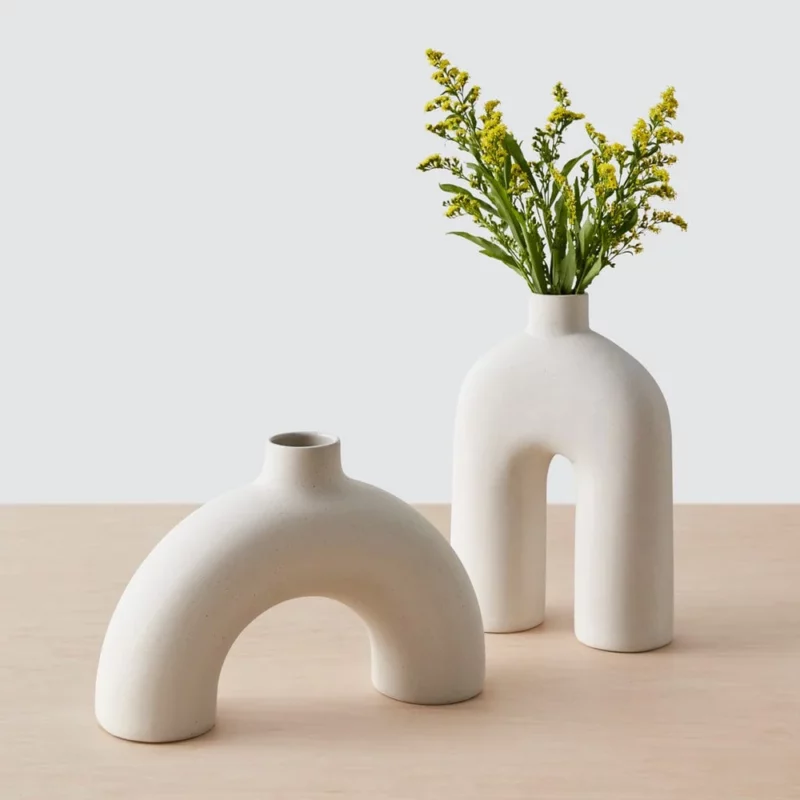
Materials also play a critical role in minimalist appeal. The Sumaira EcoMix Bowl by Joon Loloi ($79) utilizes recycled paper and traditional Jaipur craftsmanship to create a vessel that feels ancient yet contemporary. This focus on sustainable material innovation is echoed in the Vati Vase by The Citizenry ($79–$99), which uses an open-arch design to play with negative space. These objects suggest that what is missing from a design is often as important as what is present.

Atmospheric elements, such as lighting and fragrance, have also undergone a minimalist transformation. The West Elm Leonard LED Table Lamp ($89) eliminates the visual clutter of cords through a rechargeable design, while the Le Labo Santal 26 Concrete Home Diffuser ($950) represents the luxury end of the spectrum. The Le Labo piece, featuring a hand-cast concrete base and an exposed Edison bulb, treats fragrance as an industrial-art experience, where the patina of the concrete evolves over time, mirroring the minimalist appreciation for natural aging.
Personal Utility and the Engineering of Comfort
Minimalism extends beyond the home’s walls and into the personal items one carries and wears. The goal in this category is the reduction of bulk and the maximization of tactile comfort.

In the realm of personal organization, the Poppy Barley Cosmetic Case ($110–$155) and the Bellroy Mag Wallet ($25–$45) prioritize streamlined efficiency. The Mag Wallet, specifically designed for MagSafe-compatible smartphones, reflects the technological drive toward "EDC" (Everyday Carry) consolidation. By eliminating the need for a traditional wallet, it aligns with the minimalist’s desire to move through the world with fewer encumbrances.
Textile luxury in a minimalist context focuses on the quality of the fiber. The Cultiver Linen Robe Edition II ($160), crafted from 100% European flax, and the Parachute Organic Rib Knit Throw ($99) rely on texture rather than pattern to provide visual interest. These items are designed to soften and improve with age, adhering to the "buy less, but better" ethos.

Even footwear has been influenced by minimalist engineering. The Mahabis Lite Slippers ($119) weigh a mere 3.7 ounces and utilize recycled polyester and EVA soles. The design is unlined and machine-washable, catering to the minimalist’s preference for low-maintenance, high-performance goods.
Analysis of Implications: The Future of the Gift Economy
The shift toward minimalist gifting carries profound implications for the global supply chain and environmental sustainability. As consumers move away from "disposable" gifts, manufacturers are under increased pressure to provide transparency regarding material sourcing and labor practices. The prevalence of recycled materials, such as the EcoMix used by Joon Loloi or the recycled polyester in Mahabis slippers, indicates a maturing market where sustainability is no longer an add-on, but a core requirement.
Furthermore, the high price point of items like the Le Labo diffuser ($950) compared to the accessibility of the Apto Tidy Magnet Set ($48) demonstrates that minimalism is a philosophy that transcends socio-economic brackets. It is a shared value system centered on the rejection of the superfluous.
Industry analysts predict that the "minimalist gift" category will continue to expand as urban living spaces become smaller and the psychological burden of "clutter" becomes more widely recognized in wellness circles. The objects highlighted in this guide are not merely products; they are tools for a more intentional way of living.

Conclusion: The Enduring Value of the Essential
As we move further into a decade defined by environmental consciousness and a desire for domestic serenity, the role of the object in our lives is being redefined. The minimalist does not hate things; rather, they respect things enough to only own the best versions of them. Whether it is a candle from Lawa Candles that looks like a raw stone block or a simple set of magnets from Apto that turn a refrigerator into a puzzle, the modern gift is one that honors the space it inhabits.
In a world of infinite choice, the most luxurious gift is the one that allows the recipient to feel they finally have enough. By focusing on thoughtful functionality, beautiful materials, and a strong design point of view, these selections ensure that every addition to a home is truly worth making room for.

Editorial Note: This report was compiled with the assistance of advanced AI tools for research synthesis and copy refinement. All data points, product specifications, and pricing have been verified by the editorial team to ensure accuracy and journalistic integrity.